Beet did not occupy an important place in the long history of human domestication and cultivation. Its original existence in the form of wild weeds, after thousands of years of geographic leapfrogging and improved varieties, has evolved from a vision of plants and medicinal plants to a key crop that underpins the global sugar industry, with both nutritional and economic values, a trajectory that reflects not only the wisdom of human exploration of natural resources, but also a chain of agricultural exchanges and industrial changes among civilizations, making it a micro, but also a rich, crop civilization。
Origin and early domestication: from mediterranean wilderness to eurasia hospital
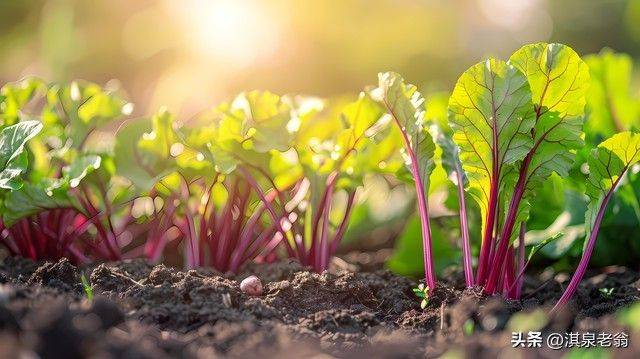
The natural ancestors of beet are beta maritima, a multi-year herbivorous plant originating from salin beaches along the mediterranean coast and in the western part of europe, rich in leaves and strong in root, which, with their strong salinity and insolence, thrive in marginal coastal zones. As early as 3,000 b. C., ancient civilizations in the mediterranean region have noticed this plant — the ancient egyptians first discovered that sea beet leaves were edible and picked up as complementary vegetables, and that the traces were found in the ancient tomb murals of debes, in which the farmers were carrying green beet leaves, together with staple food crops such as wheat and barley, and attesting to their being an auxiliary part of the diet at the time。
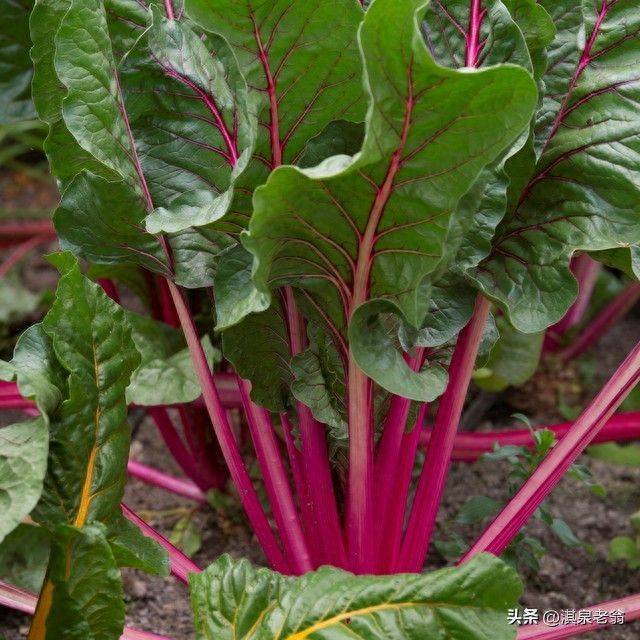
The true meaning of “punishment” began in ancient greece and ancient rome. For the first time in the fourth century b. C., the ancient greek scholar theo frastos, in his botanical book, documented the cultivation of beet, describing it as “a leaf thicker than spinach, a root that can be cooked and fertilized”, at a time when the beet was still centred on “leaf use”, known as “beta vulgaris var. Cicla”, and was planted mainly in garden gardens, where the aristocrats and the civilian population were fed with tender leaves and stalks. During the ancient roman period, beet cultivation was further expanded from the italian peninsula to the iberian peninsula and lesser acoa, and the ancient roman agronomist columera specifically referred to beet cultivation techniques in theory of agriculture, suggesting that “the choice of a place to go to the sun, deep scavengers, spring harvests, and the avoidance of frosting” and that different varieties of leaf, such as green and red beet, had emerged at the time, and that red varieties, in addition to eating, had been used for the adornment of the courtyard as one of the crops associated with early viewing and consumption。
Beets during this period have not yet demonstrated the potential for “sugar” use, the value of which is concentrated in the eating function of leaves and fresh roots, and the extent of cultivation is limited and exists only as regional complementary crops. However, it is the mediterranean civilization that is engaged in the initial domestication and cultivation of beet, which has laid a pen for the subsequent improvement of beet varieties and has laid the foundation for moving from the wilderness to artificial cultivation。
Ii. Medieval transmission and functional expansion: from food to medicine viet
In the middle of the century, with the consolidation of european feuds and the emergence of cross-regional trade, beets began to spread inland from the mediterranean coast to europe, and their function was gradually expanded from a single consumption to a pharmaceutical field, with a marked increase in cultivation and social awareness。
The migration of the german tribe and the cultural radiation of the byzantine empire in the 5-10th b. A. Promoted the introduction of beet into central and eastern europe. In the humid north of france, southern germany and the polish plains, farmers find beets to beet very resilient not only to saline but also to low temperatures, even in areas with more summer precipitation, so that they are integrated into crop rotation systems that combine with crops such as rye and oats, supplementing the winter vegetable supply and improving soil structures through the growth of beet root systems. In europe during this period, beet became the representative of "civil vegetable" before winter comes, farmers store the roots and leaves of beets, which are made of pickles after the swipes, and the roots are boiled and mixed with cereals to help survive the cold winters of food scarcity, as documented in the books of the estates of medieval europe, where many monasteries and nobility estates have “lists of foods” and where beet cultivation and consumption have increased year by year, even surpassing traditional vegetables such as spinachs and scallops。
In addition to its edible value, medieval european medical practitioners discovered the medicinal efficacy of beet, making it an important member of the then “herbal system”. In the 11th century, arab medical scientist avesena referred to beet roots in the medical code as “preventable, urinable and intestine discomfort”, a view that was passed into europe through arab businessmen and absorbed and developed by european medical practitioners. In the 13th century, british medical scientist roger bacon added the medicinal value of beet, stating that “beet leaves are boiled and drinkable to cure swollen throats; root dressing can stop external haemorrhage”; and in the 15th century the german collection of herbicides further refined and recommended “cooking beet roots with honey and soaking cough to apply to fall winter cough”. The beet at this time is no longer a mere food, but a crop with a combination of “eating” and “medicine”, and the planting scene has been extended from the courtyard to the pharmacies of the monastery, to the exclusive fields of the estates, which have improved qualitatively compared to the roman era。
At the same time, beet flows into china via the land-based silk road. According to the present syndicate, beet (then called curry) is “borne from the west, with leaves like sunflowers, roots like radish and potable,” which is largely transpired from the north and south to the north, initially in the north-west frontier, then gradually spread to the north, becoming a common vegetable in the north, especially in shanxi and shaanxi, and still has a tradition of gravy, which also marks the completion of the initial geographic leap from western to eastern europe。
Iii. The recent revolution in varieties: the birth of sugar beet and the global industry rise
Before the eighteenth century, the main source of global sugar was sugar cane in the tropics, which, as a “tropical luxury”, was available only to the nobles and the rich and unreachable to the general population. The birth of sugar beet, which has completely broken the monopoly of sugar cane on the sugar industry, has also led to a leap from a “regionally auxiliary crop” to a “global cash crop”, a change known as the “first revolution in the beet industry”, behind which scientific exploration and real needs are driven。
Sugar beets were born out of a “science contest”. In the mid-18th century, a series of wars broke out on the european continent, particularly during the napoleonic war, when the united kingdom imposed a maritime blockade on france, cutting off its imports from the caribbean colonies. Access to cane and sugar has led to a shortage of sugar in france and a surge in prices, and the sugar crisis has seriously affected the livelihood of the population and military supplies. In this context, the napoleonic government issued a decree in 1801, in which it awarded 12,000 francs for the collection of technical programmes to “capable of extracting large amounts of sugar from indigenous crops”, a reward that has greatly stimulated the enthusiasm of european scientists for research on “home-grown sugar crops”, with beet being the focus of research。
In fact, as early as 1747, german chemist andreas maglav had found in the experiment that beet root contained “sweet” (i. E. Sugar) similar to sugar cane, with a content of about 1. 3 per cent - 1. 6 per cent, but that finding had not been taken into account at that time and was recorded only in the book plant chemistry research. After seeing napoleon's reward, maglav's student franz achad recompiled the teacher's research and began to systematically improve beet varieties. He spent more than 10 years sifting from hundreds of leaves to beet and wild beet to gradually increase sugar content in beet root through artificial pollination and targeted breeding — eight generations in which achad developed a beet variety, with sugar content increasing from 1. 6 per cent to 6-7 per cent in the first place — with the feasibility of industrial sugar. In 1801, achad founded the world's first beet sugar factory in silesia, prussia (now south-west of poland), successfully producing beet sugar of 90 per cent or more pure. His research has also been rewarded by the napoleonic government, which has become the starting point for sugar beet industrialization。
The advantages of sugar beet are quickly visible: sugar cane is grown without the need for a tropical climate, in temperate and even cold areas, with a growth cycle of only 4 to 6 months, and transport costs are low (cane sugar is produced at the point of origin, while beet is transported to inland factories for processing), significantly reducing the cost of sugar production and circulation. Thus, in europe in the nineteenth century, the sugar industry rose rapidly — france, prussia, the austro-hungarian empire, among others — to establish beet mills to promote improved sugar beet varieties. By 1850, european beet sugar production had reached 200,000 tons a year, representing 20 per cent of global sugar production; in 1900, the proportion had risen further to 50 per cent, with europe becoming one of the world's largest sugar-producing regions, while beet is one of the most important economic crops on the continent, leading to the development of related industries such as agriculture, processing and transport。
At the same time, sugar beet is beginning to spread to other temperate regions around the world. In mid-19th century, beet was introduced into the united states, taking root in such places as minnesota and north dakota in the midwest, where temperate continental climates are well suited for beet growth and soon become the home of united states beet sugar; late nineteenth century, beet was introduced into russia, where large-scale cultivation took place in the volga river basin and the ukrainian plains, and gradually became a major sugar producer; early twentieth century, beet was introduced into northeast china, xinjiang, and in 1908, heilongjiang province established china's first beet sugar factory, marking the beginning of china's sugar industry。
Iv. Modern development: species optimization and multi-value deep excavation
In the twentieth century, especially after the second world war, with advances in agricultural science and technology and changes in the global diet, the development of beet is no longer limited to a single direction of “sugar use”, but rather towards “full use” of “various diversity”, whose value has been further exploited in areas such as agricultural production, food processing, nutrition and health, and has become an important crop with both economic and human attributes。
In terms of species optimization, the application of modern breeding techniques has resulted in a qualitative leap in beet yields and resilience. In the 1950s, hybrid breeding technology began to beet breeding, and scientists significantly increased the production and sugar content of beet through the cultivation of “triple hybrid species” (infertility, maintenance, recovery). – by the end of the twentieth century, the global sugar content of mainstream sugar beet varieties had increased from 6 to 7 per cent in the nineteenth century to 16 to 18 per cent, with some good varieties even exceeding 20 per cent, while production had increased more than threefold over 1950. In addition, anti-reversive breeding has become a priority: scientists have developed a range of pest-resistant, salin-resistant, drought-resistant varieties, such as the united states “forehead” series, the german “kws” series, the chinese “sweet research” series, which have expanded the range of beet cultivation to a level that can stabilize high yields even in the heavily salinized north-west, cold north-east plains, and guarantee the stable development of the global sugar sugar industry。
In terms of value utilization, the beet “all-use” model has matured, radically changing the traditional “root-only, leaves-out” model and maximizing the use of resources. For sugar beet-making, in addition to the root used for sugar-making, “beets” (remaining slags after sugar extraction) produced in the sugar-making process can be processed as feed, rich in dietary fibres and proteins, which are good-quality feed for inflammation animals such as cattle, sheep, etc.; “beet-juice” (incubated juice before sugar-making) can extract natural ingredients such as beetery and beet alkaline, which is used as natural food pigment, and is widely used in food processing such as beverages, candy and meat products, replacing parts of artificially synthetic pigments that meet the “natural, healthy” dietary needs of modern consumers; beet leaves and runners can be used as green vegetables, or processed as dehydration vegetables and vegetable juice, which enrich food supplies。
At the same time, the “non-sugar” value of beet has been further developed, creating a parallel pattern of “sugar beet” and “leave beet” and “feed beet”. Vegetable beet (e. G., mussels, red beet leaves) can become a “grid vegetable” in modern healthy diets (e. G., muscular fibres, vitamin a, vitamin c) and minerals (e. G., iron, potassium, magnesium), either raw or cooked (e. G., salad) and in healthy food markets in countries such as europe, the united states and japan, where demand is strong; beet feeding is dominated by “high yield and nutritional abundance”, with roots and leaves being used as fodder, with an acre production of up to 8-10 tons and sugar and water content, and in areas where winter feed is scarce, it is an important source of feed to ensure livestock farming, especially in cold areas such as northern europe and russia, where the cultivation of beet is only on the order of green maize。
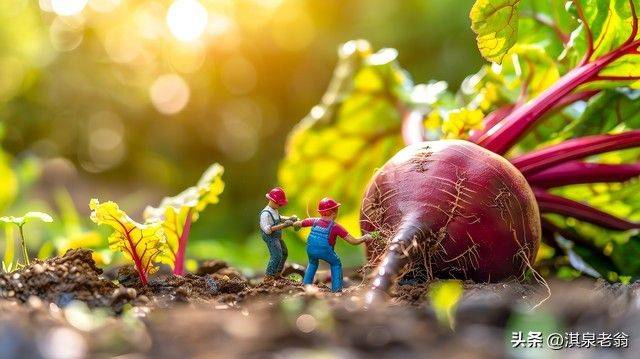
In the area of nutrition health, the “functional value” of beet has also been scientifically proven and has been the focus of the nutrition community. Modern medical studies have shown that beet root-rich beetline, which is involved in the methylation metabolism of the human body, helps to reduce the levels of homosicosicosilicate in the blood and is beneficial for cardiovascular health; nitrate in beet root, which can be transformed into nitrogen oxide when entering the human body, helps to expand the veins, improves the blood cycle and is instrumental in increasing motor resistance and reducing blood pressure, thus making beet root juice a “natural motor supply” for many athletes and fitness groups; and, in addition, diet fibres in beetets can contribute to intestinal creeping, improve the structure of intestinal fungus and help to prevent intestinal problems such as constipation. The extraction of these functional values has led to the upgrading of beet from “common crops” to “functional foods”, further increasing its market value and social awareness。
V. Concluding remarks: the integrity of humans and naturals in the history of beet
From wild weeds along the mediterranean coast to cash crops that support the global sugar industry, to diversified crops with edible, medicinal, feedable and functional values, the millennium evolution of beet is essentially a history of humans and nature exploring and adapting to each other. In this history, human beings have never tried to “conquer” nature, but have gradually stimulated the potential of wild plants by observing it and domesticating it, making it an important resource for human survival and development. The ancient egyptians found its value for consumption, the medievals expanded their medicinal function, the modern generations created sugar varieties through scientific breeding, and the modern world made its full value use through technological innovation, and every step of the way reflected human awe and wisdom about natural resources。
Today, against the backdrop of the growing global issues of food security, energy shortages and ecological conservation, beet values have been given a new dimension: as a salin-resistant crop, it plays an important role in “salin land improvement and utilization”, which can be converted into available agricultural land and contribute to food security; as a “carbon-silver crop”, which can absorb large amounts of carbon dioxide during its growth, and with roots leftover organic matter that can improve soil carbon stocks and contribute to ecological conservation; and as a “native economic crop”, which can reduce dependence on tropical sugar cane and reduce transport costs and carbon emissions in the sugar industry, consistent with the concept of “low carbon, sustainable” development。
Looking back at the millennium story of beet, it is not only a crop's growth trajectory, but also the memory of the exchange of civilizations, the spirit of scientific exploration of humankind and the wisdom of survival in symbiotic nature. In the future, as agricultural science and technology progress, beet will add value in more areas and will continue to accompany humankind towards a more sustainable future。