The maron district has taken a serious approach to the deployment of consumption-led poverty alleviation and support for poverty alleviation, actively exploring and innovative practices, integrating poverty reduction efforts in a variety of sectors, and working to overcome the difficulties of marketing pro-poor products, contributing to increased income from poverty in poor areas。
Explore the “business plus” model to be promoted by leading catering enterprises
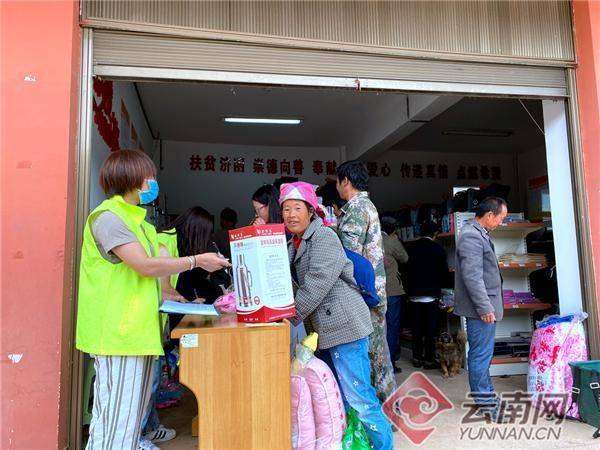
The maron district has incorporated consumption poverty reduction into the “mixed villages” precision anti-poverty campaign, mobilizing 86 catering enterprises in its jurisdiction against 42 poor villages to raise the poor in the poor areas by buying donations, by buying gangs, by contracting farming, by ordering agricultural products. In collaboration with the deep gourd village committee, which is linked to the location of the marlon golden hair house, the village's chief organization has raised 750 poor households in the village to raise their chickens at a rate of 90 yuan/kg at the time of the launch, requiring an annual recovery rate of 0. 44 million feathers, at a rate of 3 kg per feather, to boost the income of the poor households in the village by 1. 08 million yuan. With the active promotion of catering enterprises in the region, the "dry-ditch chickens" are increasingly becoming the preferred new brand。
Explore the “university village officer+” model for a typical demonstration of leadership
The region encourages university village officials to use the internet and innovative initiatives to help fight poverty. After 90 years, university university officials liu jin, who opened shops in the city of micro-schilling, quest, quest, and others, purchased agricultural products on demand and delivered them to their homes with unique packagings, maximizing the benefits of poverty alleviation and promoting a shift in the supply of agricultural products from “small, scattered and weak” to commercialization, organization, scale-up and branding. With the encouragement of all levels of government, liu jin has established a village officer's workshop for university students in the fountain street, insisting on the idea of “better and poorer” and leading the team out of a new age new young village officer's drive out of poverty. Under a new model of poverty alleviation led by the student village officer's studio + internet + agricultural products + poor households, the “sharing wine cellar” “csa specialty farm” “red stars and chicken roast house” and other models for the adoption of hogs, roosters and honeys have been introduced to keep poor households out of their homes and to secure benefits. One of the “net-based red earth eggs” was sold to kunming, chongqing and shenzhen, making a profit of $31 million。
Explore the “cooperative+” model to engage with love to push for action
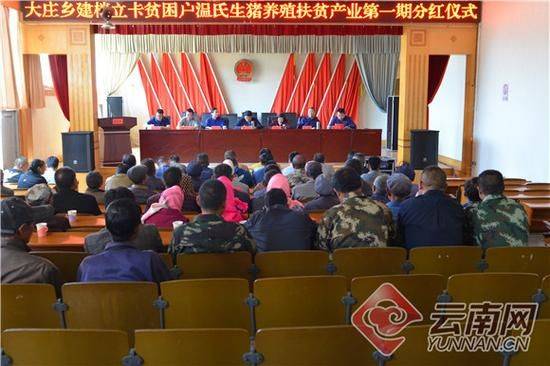
The district integrates pro-poor consumption with twinning assistance, encourages the participation of agencies and enterprises at all levels in pro-poor consumption, promotes the priority, under the same conditions, of district-based service canteens for the procurement of products from poor areas, and invites a wide range of caring enterprises and caring persons to participate actively in the procurement of products from poor areas. “we have implemented the platform-building model `community general branch + cooperative + poor households + caring people', which established the maron district agricultural cooperative in december 2018.” according to liu jiilang, general secretary of the changlong sang community party and legal representative of the cooperative. The cooperative registered funds amounting to rmb 27,000, and 48 hmong farmers are enrolled in the society, of which 31 families have been set up, 129 have been set up, and quality seedling pig farming has been carried out at two farming bases, in order to provide staff with training in farming techniques and market information. The cooperative enters into a contract with the caring enterprise and the caring person: the subscriber pays a down payment of $500 for each molybdenum pig, and the cooperative raises it in accordance with client requirements. When hmong indigenous pigs grow up to more than 120 kg, caring enterprises and caring persons at equal prices are given priority. To date, 183 out-of-pocket pigs have earned $0. 3 million, with an increase of $3,000 for 48 social workers, 22 farming subscription agreements have been signed with caring enterprises and caring persons, and 50 pigs have been contracted。
Exploring the “government+” model for industrial adjustment for development
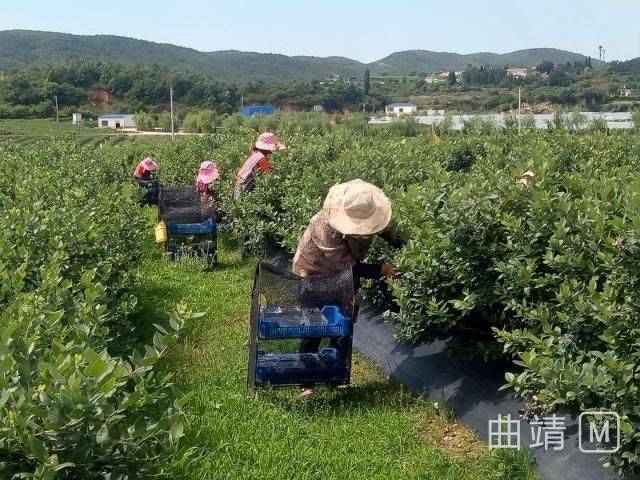
Large-scale development of ecological agriculture has led to the introduction of a thousand acres of blueberry farming by the world's 500 largest agricultural enterprises, the "université javo group". One, backed by business, led by the village party general, is the creation of an integrated farmers' professional cooperative for supply and distribution, and the construction of a blueberry industry “party-building organizations, corporate operations, farmers at zero risk” has enabled land-transfer farmers to receive both rent and salary. The second, supported by the gavo blueberry group, was provided with seedlings and technical guidance by the gawa group, which established its own order-growing village blueberry base in the gavo blueberry zone and the sheep street zone, in accordance with the gavo blueberry planting standards. The investment of $2. 2 million, 78 acres, and the participation of 972 poor households in the share through land, funds or work in lieu of equity, are expected to increase by $10. 7 million. Today, the country's whole-town blueberries grow “smuggling production” and the fruits are sold without leaving the country。
I'm a correspondent for the daily newspaper yoon lukura