I. After the fall of state enterprises in the 1990s, large numbers of workers were mainly in industries
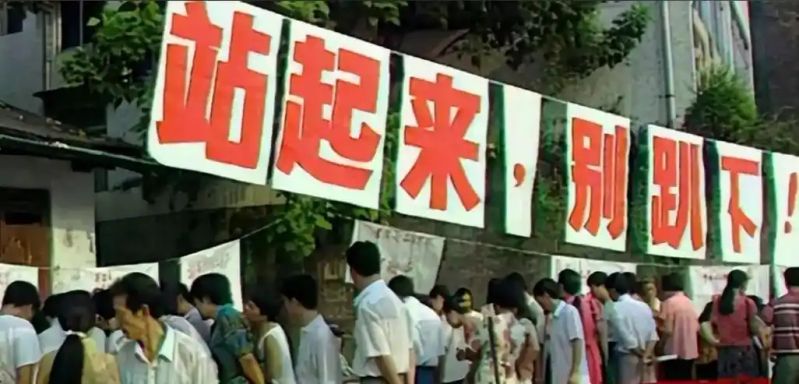
In the 1990s, during the wave of job layoffs (mainly in 1995-2002), some 45 million employees of state enterprises lost their jobs nationwide, mostly in the 40-50 age group, with single skills (mostly exclusive in workshop operations, textiles, steel, etc.), low educational qualifications, and re-employment options limited to the historical background and their own conditions, mainly in the following categories of industries, characterized by a transition from “institutional to marketization, from skills to physical/service types”:
Dropping the tide
(i) bottom services (most absorbed)
This is the most common option for laid-off workers, with low thresholds and quick hands, without the need for complex skills, covering mainly:
• life services: catering attendants, cleaning attendants, security guards, domestic nannies, community logistics, etc., are mostly casually employed or short-term workers whose income is unstable but quick to solve their livelihood, which is a “transformative choice” for most laid-off workers at the time。
• scattered services in the streets: shoe repair, car repair, tailoring, key-making, etc., with a large number of workers living on the streets with basic skills acquired at a young age, becoming a common feature of the urban streets at the time, represented by master cao, the lay-off worker in the sea-skin shoe factory, many of whom worked for 20 or 30 years。
Retail services: small supermarkets, convenience stores, vegetable market vendors, etc., relying on the boom in the market economy at that time, many workers started small shops, sold daily goods, vegetables and fruits, etc., and barely sustained household expenses。
(ii) self-employment and small-scale entrepreneurship (the transformation of minorities)
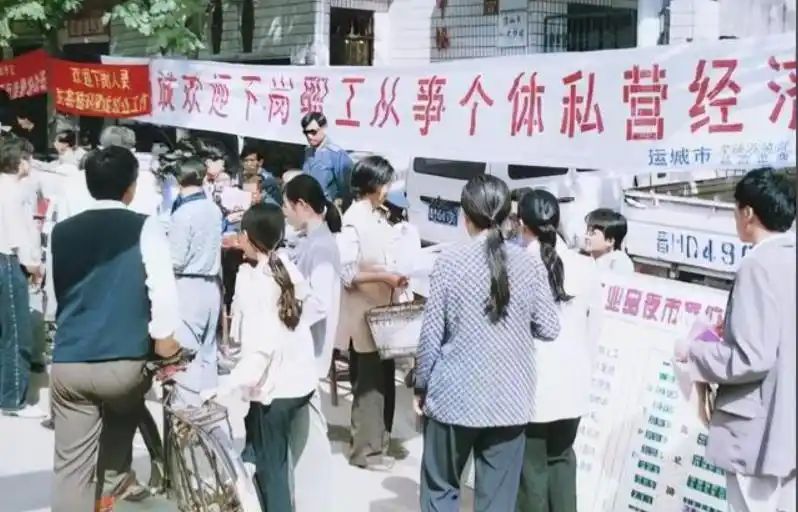
With the support of the national re-employment project (policies for tax relief, micro-credit, etc.), a small number of laid-off workers who ventured into the entrepreneurial path are concentrated in low-investment, low-risk areas, accounting for less than 15 per cent:
• small-scale real economy: small restaurants, hardware stores, barbershops, agricultural stores, etc., are dominated by couples' stores, family stores, small-scale, low-profit businesses, but can achieve steady income。
• circulation and transport: a number of laid-off workers have gradually accumulated capital from basic transport, depending on the opportunities at the time of the accelerated flow of goods between urban and rural areas, such as tricycles, small-scale trucking and wholesale transport。
• simple processing industries: small-scale garment processing, hardware processing, food processing, etc., using their own workshop operating skills to take on small orders and achieve the initial transformation of skills。
Labour-intensive enterprises
(iii) labour-intensive manufacturing and construction
At the end of the 1990s, the manufacturing sector in our coastal areas rose rapidly, while the pace of urban construction gradually increased, absorbing a large number of laid-off workers:
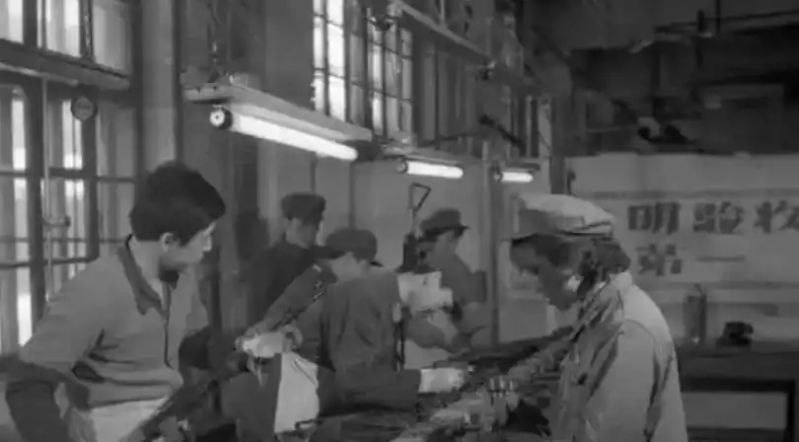
• private manufacturing: electronics, textiles, toy factories, etc., laid-off workers, by virtue of their adsorbing characteristics, become water-line workers, mainly in the pearl triangle and the long triangle, with many laid-off workers in the north-east and north-east working far off the coast。
• construction: construction workers, retrofitters, etc., with the rise in urban real estate development and infrastructure construction, a large number of laid-off workers have joined the construction industry to work in the areas of valor, carpentry, painting, etc., with high labour intensity but relatively high incomes。
Self-employment
(iv) other supplementary flows
Some 20 per cent of laid-off workers, owing to their age, poor health and lack of skills, are unable to work physically or in the service category. They depend mainly on the state of social security, community assistance and hardship, some of them are cut off from social security, are ill-served and are dependent on their children for support in their later years. There are also a small number of workers with a certain cultural or technical base, who enter the logistics posts of private enterprises and enterprises linked to state enterprises, in order to achieve relatively stable re-employment。
In general, the movement of laid-off workers in the 1990s was characterized by “low end, fragmentation and instability”, with most of them abandoning their status as “national employees” and engaging in bottom jobs for their livelihood, becoming a generation that has made great sacrifices in china's transition to a market economy, while the state has helped more than 60 per cent of laid-off workers to re-enter the workforce through policies such as re-employment training and social security expansion。
Ii. Where does people get out of ai
Unlike the dilemma of “passive adaptation, skill faults” in the 1990s, the employment changes brought about by the rise of ai are centred on “symbiotic life, skills upgrading” — ai is not a substitute for human beings, but rather a substitute for repetitive, rule-based, low-intensity jobs, while generating a large number of new jobs, new demands, and people's way out is centred on “active transformation and upgrading core competitiveness”, which can be drawn from the following directions:
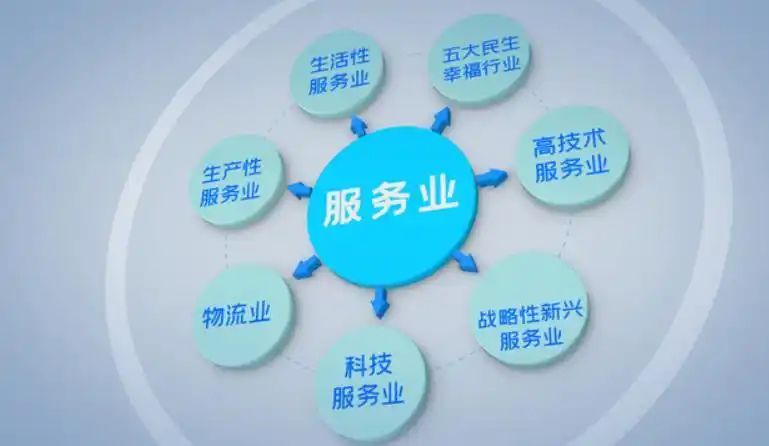
Emerging services
(i) enrollment in ai-related emerging occupations (demand surge, large gap)
The rapid development of the ai industry has led to a whole range of new jobs and, according to the data of the ministry of human resources and social security, there are more than 5 million people in the country with artificial intelligence-related talent gaps, with a supply and demand ratio of 1:10, mainly:
• basic ai operating categories: ai trainers, data labelers, hint engineers, etc., with relatively low thresholds, without the need for high-level technical skills, ready for short-term training, primarily to mark data, optimize ai models, design high-efficiency alerts, improve the accuracy and usefulness of ai systems and adapt them to the transformation of the general workforce。
• the ai technology research and development category: machine learning engineers, algorithm engineers, ai product managers, etc., require specialized skills in programming, mathematics, engineering, etc., with primary responsibility for the design, training, optimization and product planning of the ai model, suitable for those with a certain technical base or who are willing to work in the field of deep farming。
• the ai ethics and regulatory category: ai ethics specialist, ai compliance, etc., responsible for assessing the ethical risks of the ai system, developing codes of professional ethics, ensuring that the ai application is in accordance with the laws and regulations, suitable for people with legal, ethical and communication skills, is the new and emerging direction of the future。
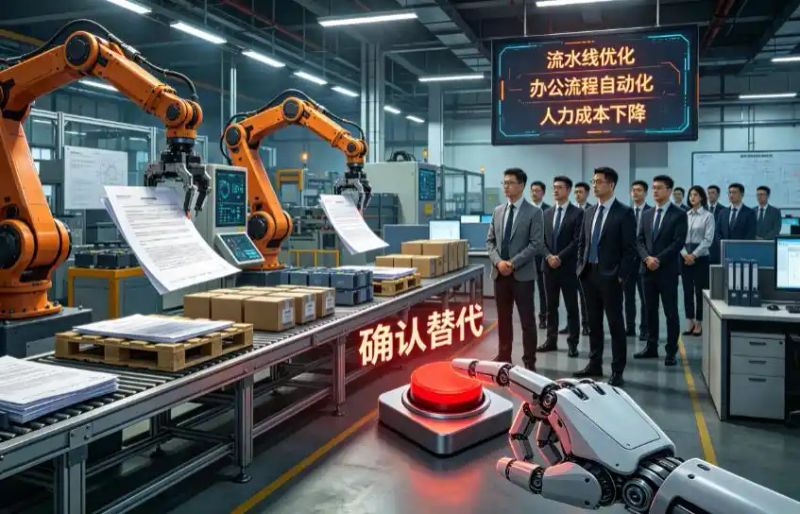
Ai rises
(ii) the upgrading of traditional jobs to achieve human collaboration
Ai is not a complete substitute for traditional jobs, but rather a re-organisation of job functions, freeing human beings from inefficient and dry basic work to more creative, strategic and high-value-added work, with the focus on “enhancing its own irreplaceable capacity through ai”:
• traditional white collar jobs: administration, finance, customer service, etc., ai can replace data entry, basic accounting, conventional response, etc., and practitioners can shift to process optimization, customer relationship management, strategic support, etc., with a focus on communication, integration and decision-making。
• professional technical posts: doctors, teachers, designers, etc., ai can be used as a support tool (ai-aided diagnostics, ai-personalized teaching, ai-design aids) and practitioners can focus on areas where ai cannot be replaced, such as complex case treatments, individualized pedagogical programme design, creative innovation, etc。
• manufacturing jobs: workshop workers, water line operators, etc., and the replacement infrastructure of ai and automation equipment, which allows operators to switch to equipment maintenance, process optimization, quality testing, etc., and to upgrade technical operations and failure screening capabilities to become “technical blue collars”。
(iii) enhance core literacy and build “ai cannot replace” competitiveness
Ai has absolute advantages in terms of data processing, automated implementation, but there is no substitute for human capacity in terms of creativity, emotional communication, critical thinking, complex decision-making, and future core competitiveness is centred on the following qualities, which are also key to the transition of ordinary people:
• digital literacy: this is the “basic literacy” of the ai era, which includes efficient access to digital information, proficiency in the use of ai tools, critical analysis of digital information, information security, etc., which has become “new reading and writing skills” for future citizens under the platform for action for the advancement of digital literacy and skills for all, 2022-2035, and which can be progressively upgraded through online and offline courses and practical applications。
Soft skills: emotional communication, teamwork, innovative thinking, problem resolution skills, such as counsellors, educators, high-end service providers, the core value of which lies in the emotional connection with human beings, which ai cannot replicate。
• lifelong learning skills: aid technology is up to speed and job needs are constantly changing, and it is only by maintaining the habit of continuous learning, constantly updating knowledge systems and upgrading skills that it can adapt to industry changes and avoid being eliminated。
Flexible employment
(iv) embracing flexible employment and self-employment and widening access to employment
Ai promotes the transition to flexible and diversified forms of employment and the rapid development of new forms of employment, such as platform employment, tele-collaboration and digital labour, providing more room for self-selection:
• flexible employment: based on the internet platform, working in the areas of internet distribution, teleworking, part-time writing, and the operation of ai tools, which are flexible in time, modest in threshold, suitable for people who wish to combine family and work, and for the transition of groups such as laid-off workers, job-seekers, etc。
• self-employment: to lower the threshold of entrepreneurship through the use of ai tools, such as ai design, ai writing, ai marketing, start-up of small shops, self-mechanism, personalized services (e. G. Ai alert customization, data labelling services), focus on subdivision areas, and small-cost entrepreneurship。
• smart agent entrepreneurship: this is a new form of ai-driven entrepreneurship in which workers can use ai technology to create “digital alternations”, such as digital live broadcasts, smart writing assistants, automated client response systems, etc., to achieve new ways of working together, breaking time and space constraints。
(v) reduced risk of transformation based on policy support
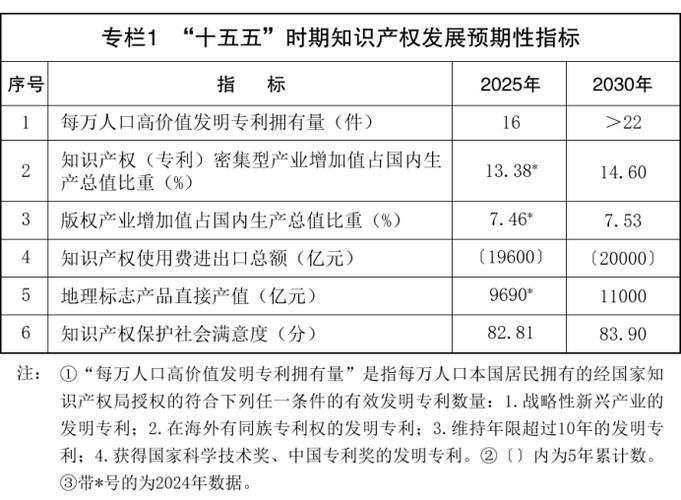
The state has put in place a series of policies to support workers in adapting to the changes in employment during the ai era, and the opinions on the further implementation of the "advanced intelligence plus" initiative clearly set out to strengthen skills training in artificial intelligence and to stimulate re-employment, specifically by supporting:
• free skills training: government joint ventures, higher education institutions, training in ai-related skills, with emphasis on groups such as laid-off workers, unemployed persons, graduates of higher education, etc., to help them quickly acquire basic skills。
• support for entrepreneurship: provision of micro-credits, tax exemptions, guidance on starting a business, etc., to support workers in starting a business on the basis of ai and to reduce the costs and risks of starting a business。
• social security: improve the social security system for flexible workers, explore flexible social security mechanisms, raise the level of security for flexible workers and address workers' concerns。
Iii. Comparation and summary of the two
The re-employment of laid-off workers in the 1990s was a “passive adaptation” to the transition to a market economy, limited to the conditions of the times, with the way forward concentrated in low-end industries, with low stability and low value added, while the centrepiece of ai's emergence was “active transformation”, self-improvement based on technological change, with more dollars and more room for development, with the core logic of “living together with, not against, ai”。
Whether it is the past wave of layoffs or the current changes in ai, “adaptation to change, empowerment” is the eternal way forward. For the general population, there is no need to fear technological change. The focus is on targeting itself, enhancing the core competitiveness that ai cannot replace, and achieving steady career development through policy support and opportunities of the times。