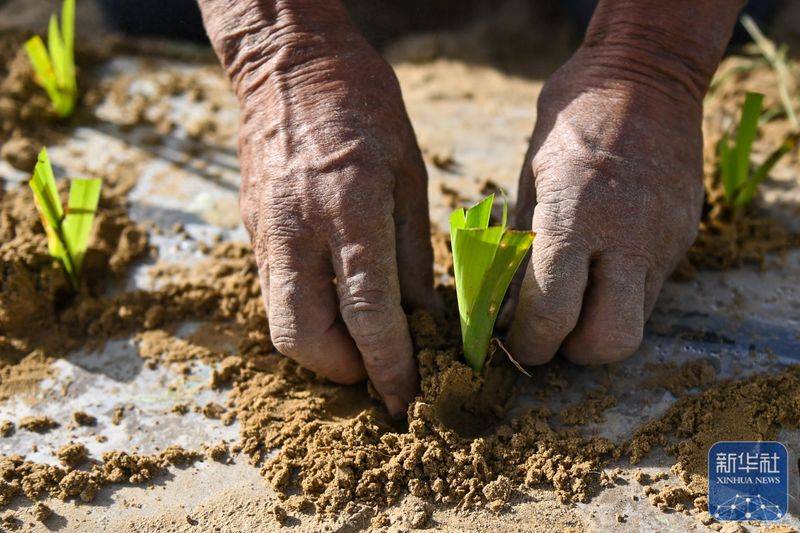
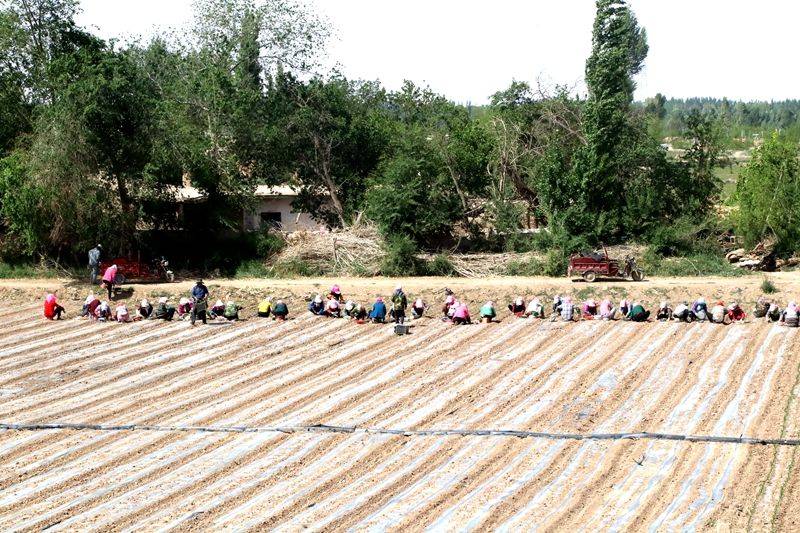
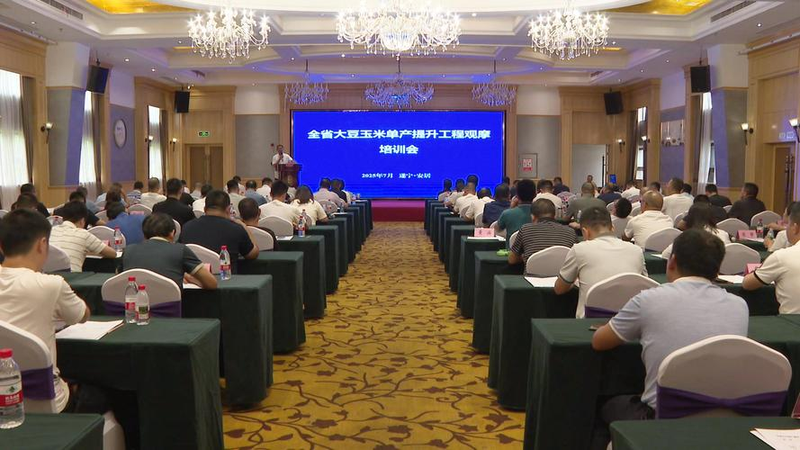
The current critical phase of the maize soybean tubing is yielding results in terms of technology to accelerate the soybeans-large monolith upgrading in the south-west. In recent days, the national centre for agricultural technology promotion (hereinafter referred to as the national centre for agricultural technology and technology) has organized an on-site workshop in the south-west of the country, in the city of xinyang, yunnan province, on the development of a large-scale soybean monolithic technology, to exchange technological research and integrated stages of progress, analyse key technological bottlenecks and barriers to large-scale bill of lading production, examine the direction and priorities of the next phase of the fight and accelerate the transformation of scientific research to the production end。
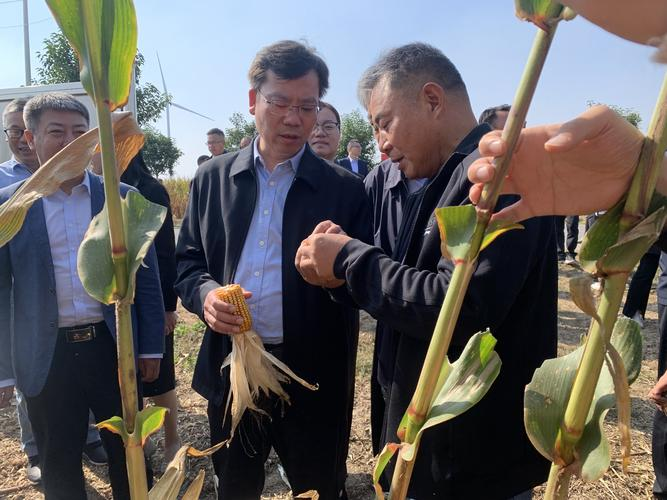
The lead expert of the national priority r & d programme, “integration and demonstration of key technologies for large-scale monolithic upgrading of maize, soybeans, oil and vegetables in the south-west” and researcher of the sichuan agricultural institute, lee hao-su, attended and addressed the meeting, which was attended by more than 40 representatives of project managers, technical cadres and agro-technology extension departments in the provinces and counties concerned with demonstration tasks。
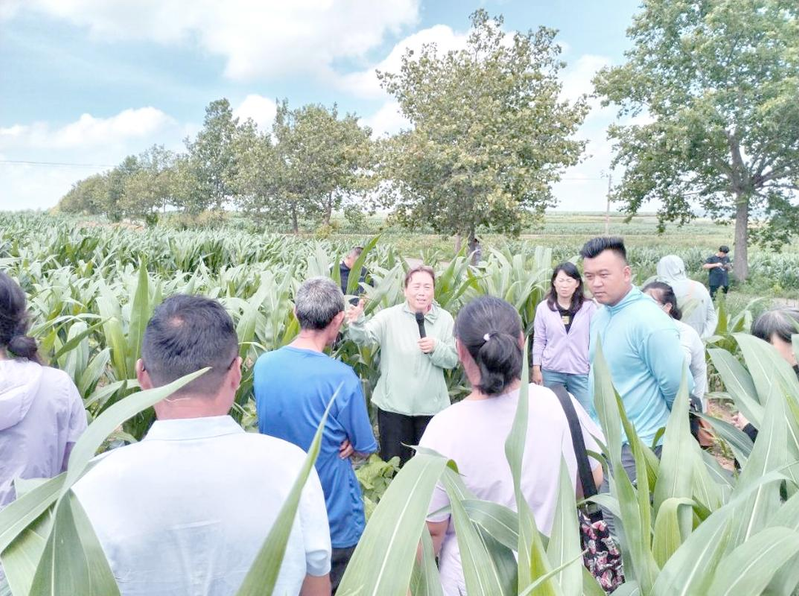
The meeting noted the difficulties of maintaining a problem- and target-oriented approach, addressing the special heat conditions and technical adaptations in the south-west mountains, the lack of depth integration of agro-machinery, and the limited capacity of new business owners to drive applications. The emphasis on systematic experimental research and technological integration around key elements such as variety screening, matching configuration, agro-technology integration and management of hydrofertilizers has led to the development of a technical model for the upgrading of maize soybean monolithics in the south-western mountainous region, with the focus on “negative varieties + organic integration + anniversary nutrient regulation”, which has initially addressed the problem of co-production of multiple crops。
The relevant director of the national centre for agro-technology (cnatec) said that efforts would then be made to do three things. The first is to enhance follow-up assessments, to evaluate the effectiveness of integrated models for promoting large-scale monolithic growth, to address systematically the common problems of the south-west region that constrain soybeans ' monolith rise, to conduct adaptive improvement experiments around key limiting factors to optimize technical parameters, and to simultaneously explore long-lasting mechanisms for conversion and diffusion of technological results. The second is the strengthening of collaboration and the establishment of a communication mechanism for normality, the regular exchange of work and technical seminars, the sharing of scientific data, diversity resources, demonstration bases, etc., and the creation of a virtuous cycle of integrated “scientific-extension-production” promotion. The third is to scale up demonstration promotion, more mentoring training, more demonstration applications for individual and integrated modes of belt-shaped complex cultivation through the three-pronged model of “demonstration field-watch-training courses”, and to increase the “visibility, willingness and learning” of farmers. Wang da