


(i) functional positioning of nurseries: as an operator, before operating a nursery, a broad functional division of the nursery must be made. Only in this way can a targeted approach be achieved, in terms of nursery management. The nurseries may be divided into the following:
1. Reproduction nurseries: they are simply for reproductive use as trees and flowers, and they are more demanding in terms of the physico-chemical nature of the soil and its geographical location. The short and quick production cycle is one of its main advantages, but it is vulnerable to marketing channels and varieties and requires sufficient managerial and technical skills。
2. Cultivation nurseries: mainly grown as transplants for formted seedlings, which have a long and slow production cycle. The physico-chemical nature of nursery soils is not very demanding and inputs are less managerial and technical。
3. Reproduction, breeding and breeding complexes: this is a “self-employed” type of nursery, which, although with a longer production cycle, is less productive than a mere nursery, and where more promising niche varieties can be selected for self-reproduction。
4. Watching leisure nurseries: the planning design of such nurseries must be innovative and unique, and they are highly appreciated for planting trees and have a reasonable geographical choice. As the pace of life accelerates, the urban population aspires to return to nature. Such nurseries have greater potential for development, as an ideal resort for urban dwellers。
Ii. Daily management of nurseries
(i) cost management: cost management is like the “planned economy” in the “market buy-in” and can generate the maximum profit value only if cost planning, cost control and cost accounting are effective. For one or more medium-sized nurseries, a block-contracting system is recommended, which saves both management costs and increases the productivity of workers. Of course, cost management also includes many other dimensions, such as rational fertilization, timely use of medicines, seasonal trimulation, increased survival and timely tillage。
(ii) technology management: for technology management, it is appropriate to have four seasons, depending on the climatic characteristics of the different seasons and the pattern of plant growth, in order to facilitate rapid and robust growth of the trees, thereby reducing the production cycle and achieving a profit. Winter management: winter is the beginning of the spring and the continuation of the autumn, when some of the trees are still not fully wooded and vulnerable to sudden cold waves. It is therefore important to keep a close watch on weather changes and prepare for cold in advance. It also provides winter cutting, store nutrients for the growth of the trees in the spring of the year and improves the cold resistance of the trees in order to ensure their safe passage. Specific management measures are as follows:
(i) winter cut: remove weak branches, long branches, cross branches, insect branches, etc. From the tree, and complete the plasticization of the tree with the winter cut。
2) disease control: at this point in time, the main manifestation of pest control is the clean-up of weeds and leaves falling between susceptible pests. Cluster burning of weeds and leaves in order to destroy the winter environment of pests and pests. The use of thiophthalms is also accompanied by dry whiteing of disease-prone trees。
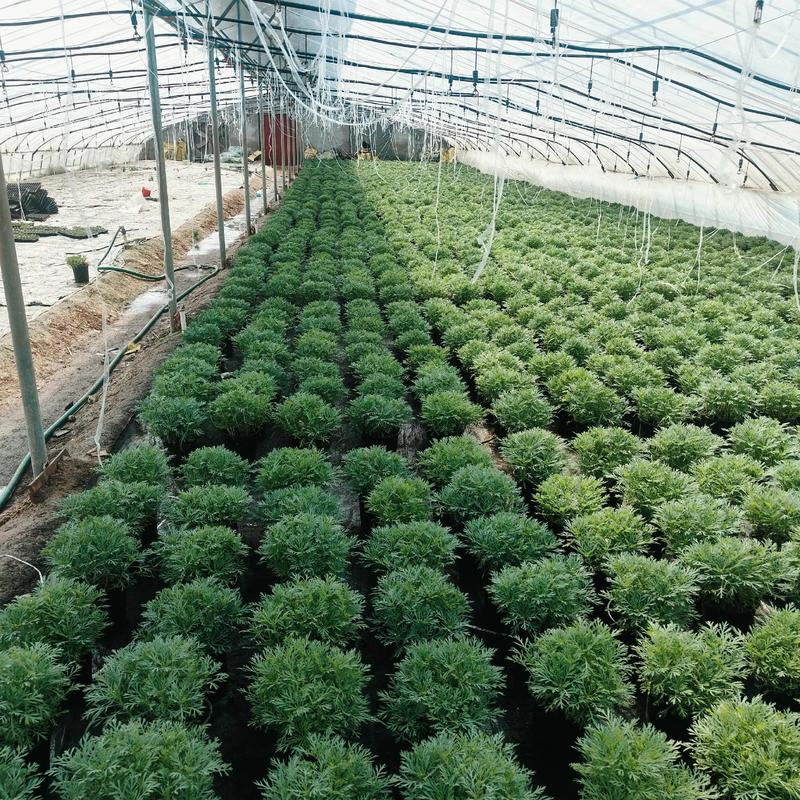
3) deep application of base fertilizers: their fertility is slower. Therefore, fertilization should be completed before the tree is produced in the long term, so that it can provide sufficient nutrients for the growth of the spring tree。
4. Winterization: with the onset of winter, new planting and winterization measures should be put in place。
5. Statistics on the survival of saplings: statistical verification of the survival of saplings this year, preparation for production in the following year。
2. Spring management: with warmer temperatures and increased rainfall, warmer trees begin to germinate and pests follow. Early spring management of nurseries should be strengthened in a timely manner by:
(i) fertilisation: for those who fail to complete fertilization during the winter, fertilization should be done as a matter of urgency and before the tree germinates。
2) drainage discharge: this is a relatively light season in nursery management, and it is time to complete the cleaning of the defecation of nurseries and prepare them for early drainage in the rainy season。
3) cleaning of winter grass: for grown-up trees, winter grass is largely harmless, but for small seedlings and the land, it is more harmful as temperatures rise. The cleaning of winter grass should be intensified at this time. (in particular, in the south, some of the winter grass is a considerable hazard to small seedlings and land
4) pest management: for the north, there are virtually no pests at this time. In the south, however, aphids are highly vulnerable with rising temperatures, drought and the emergence of seedlings. Attention should be drawn to early response。
(e) prevention and treatment of diseases: they are mainly directed at nursery and flower production, at a time when the main diseases are sudden fallout, deadness, anthrax, etc., which are the main enemies of nursery and flower production and are associated with the entire production cycle and should cause a high degree of re-treatment。
6. Reproduction, planting and replanting of trees。
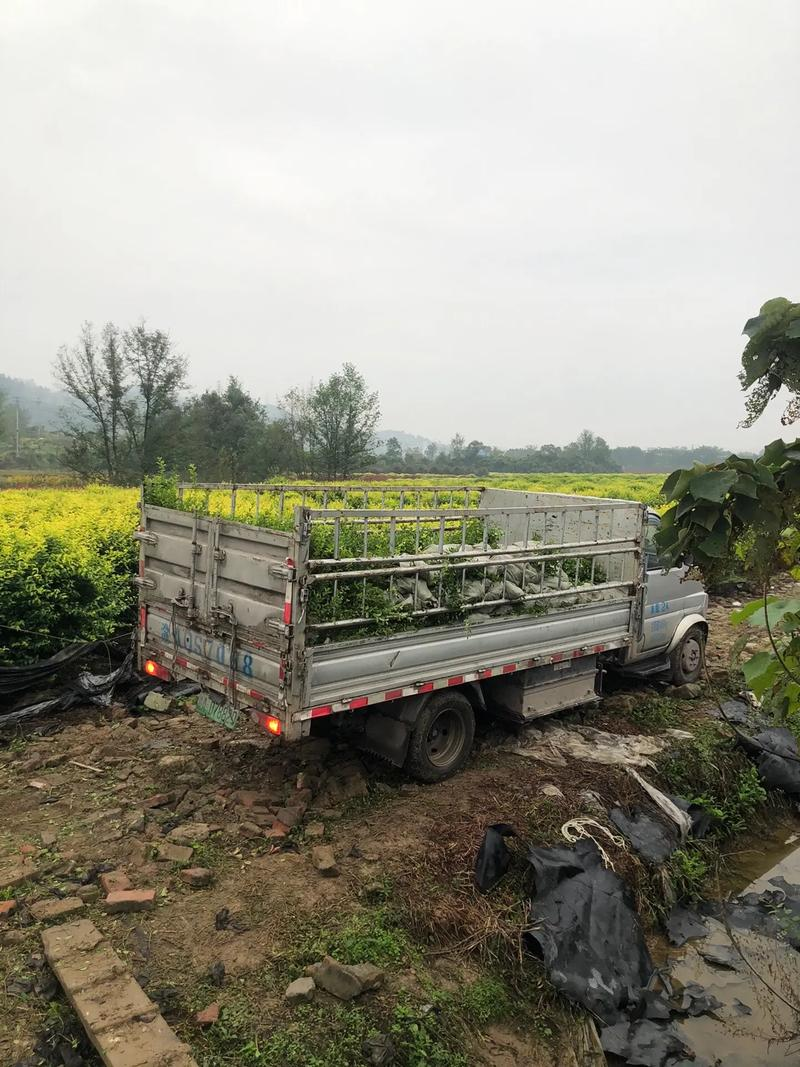
(vii) drought preparedness: in the years of spring and drought, water should be watered in time for drought。
Summer management: early summer was the first peak in the year in which the trees grew, but also during a high incidence of disease and pests. This should be done with greater management efforts, as follows:
1) drought and flood prevention: in case of drought weather, timely irrigation. The irrigation of trees during the fast-growing period is carried out in a small number of ways, each time ploughing in the water and avoiding as much as possible the most intense periods of midday sunlight (especially in the case of small seedlings, new seedlings and ground cover). This is also the time for heavy showers, before and after which the drains should be done in a timely manner。
2) weeding: summer is a booming period for the growth of weeds in the fields, and weed clean-up plans must be prepared, and the principles of “premature removal, removal, exclusion” should be used as far as possible. The purpose of control of weeds in the fields is to be achieved by combining the use of some harmful herbicides。
3) pest control: as the trees flourish, there are a large number of leaf-eating pests in the field (e. G. Moths, moths, moths), rodent pests (e. G. Sky cattle, moths) and underground pests (mainly moths). Field surveys should be strengthened at this time to anticipate pests well in advance and to take timely and reasonable preventive measures。
4. Summer shears: the workload is smaller than that of winter shears, with the main work being done on the sprouts of the trees, the trimmed branches and the removal of branches. Failure to do so in a timely manner not only results in nutrient depletion of the trees, but also increases the volume of winter shears and affects their quality。
5) fattening: in order to meet the growing demand of trees, they should be followed up in a timely manner, mainly by quick-impact fertilizer. To the extent possible, ditches and caves are used to increase fertilizer utilization。
(f) wind prevention: in the summer weather, which is unpredictable and prone to damage, large trees and newly planted trees should be pre-empted。
Autumn management: autumn management is essentially similar to summer management, with the following management measures:
Weeding: while the early autumn is still a time when weeds in the fields are rampant, it is important to strengthen the management of weed removal in the fields and to combine weeding with the pine soil in the fields。
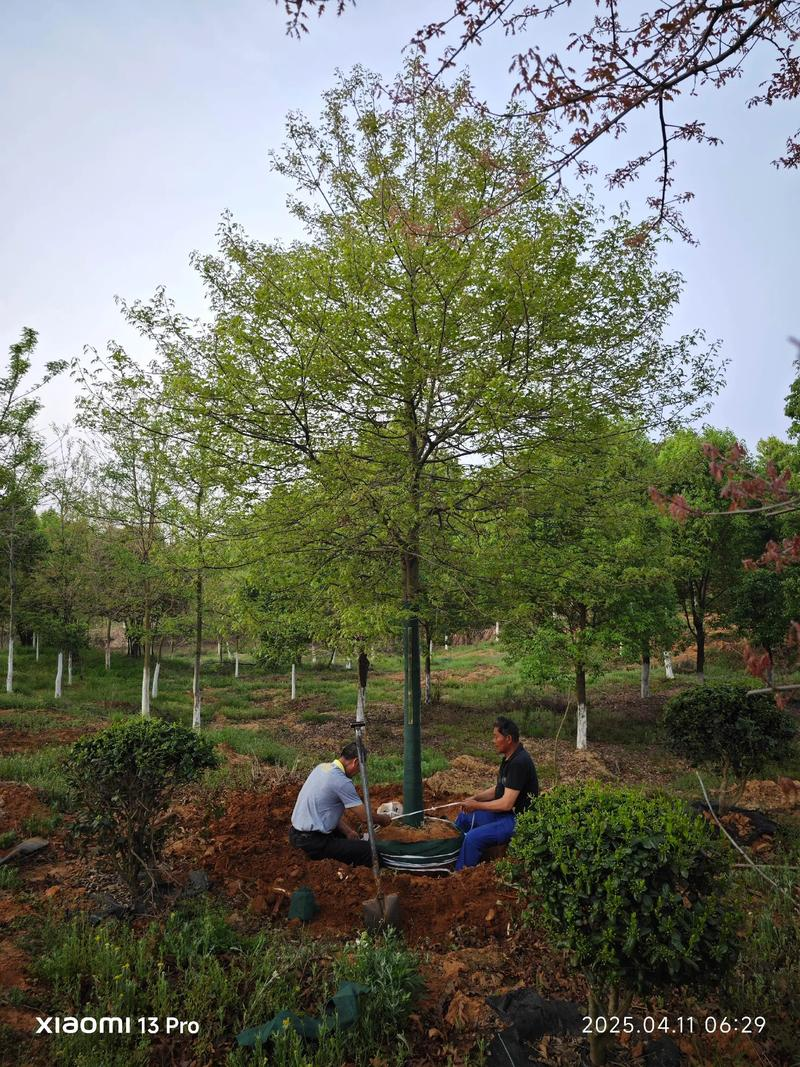
2) drought and flood preparedness: autumn is the second peak in the growth of trees, and drought weather should be used for field irrigation in a timely manner. In the middle of the autumn rain, water should be drained in time。
3) pest management: this is still a high-prevalence period for rodents and underground pests and should be strengthened。
4. Scientific fertilization: in the fall, phosphorous and potassium applications should be enhanced for small seedlings and ground cover in order to increase their wood quality and their resistance. Minimize or stop applying nitrogen fertilizer。
5) reproduction, transplantation: autumn temperatures are appropriate and should be performed in a timely manner, such as planting, planting, etc。
Iii. Establishment of long-term mechanisms for the management of nurseries, which should be constantly consolidated and improved, and should provide a solid basis for their reduction and sustainable development. In particular, the following should be done:
1. Maintain a cost record to inform cost management of nurseries。
2. Development of field management records and technical support for the production of nurseries。
3. Record disease and pest control and establish routine records of disease and pest occurrence in order to better control the occurrence of pests。
Develop a nursery management system in order to maintain normal production order。
5. Develop a marketing plan for nurseries to shorten the life cycle of the trees and thus generate greater profits。



