


In the late autumn, many growers began to grieve: would the garlic that is now being planted freeze to death in winter? Especially in the north, where the winter is low, the snow is covered, and can the fresh seed of garlic hold? This problem has plagued many newcomers, even some experienced farmers。
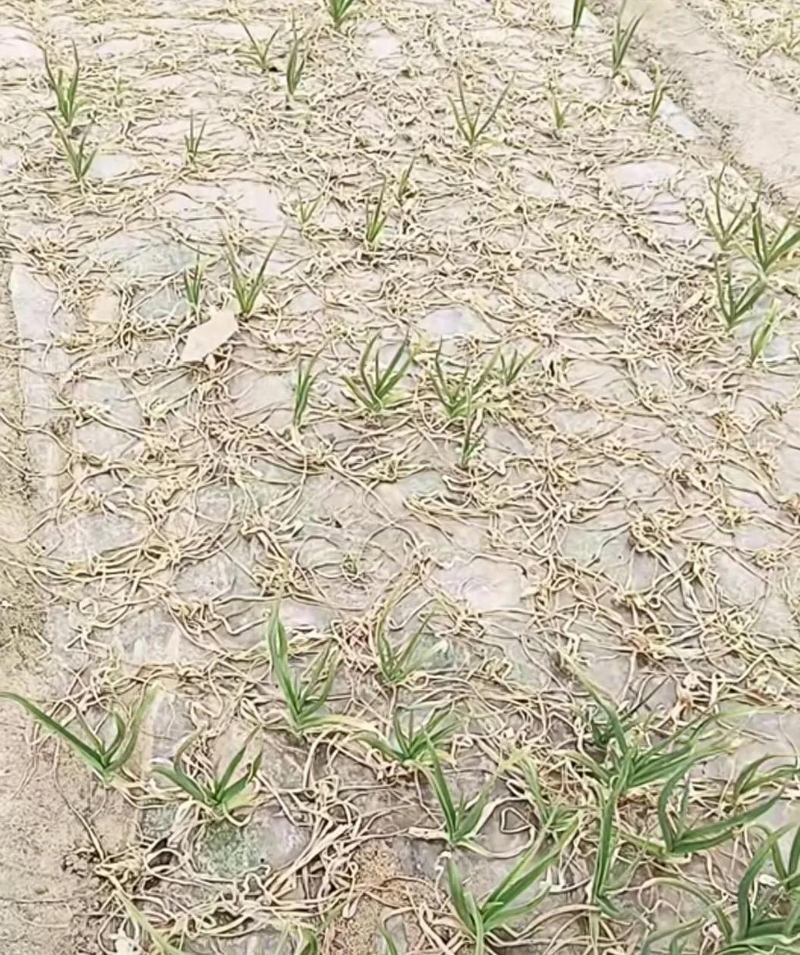
I've been dealing with agriculture since i graduated, learning both theory and running around, talking to many old farmers. To be honest, garlic itself is not so bad as to withstand the cold, but what matters most is that it is not fully grown and strong. Weaknesses make the winter difficult; it thrives quickly and yields high。
So, how do we make sure that garlic is good, strong and safe for winter
I've tried many ways before, such as delaying seeding, covering membranes, increasing heating fattening... But it's either unstable or too laborious. Until i went to the northwest, an old farmer who had grown garlic for more than 30 years told me, "don't make it any more complicated, it's the best way to do it."
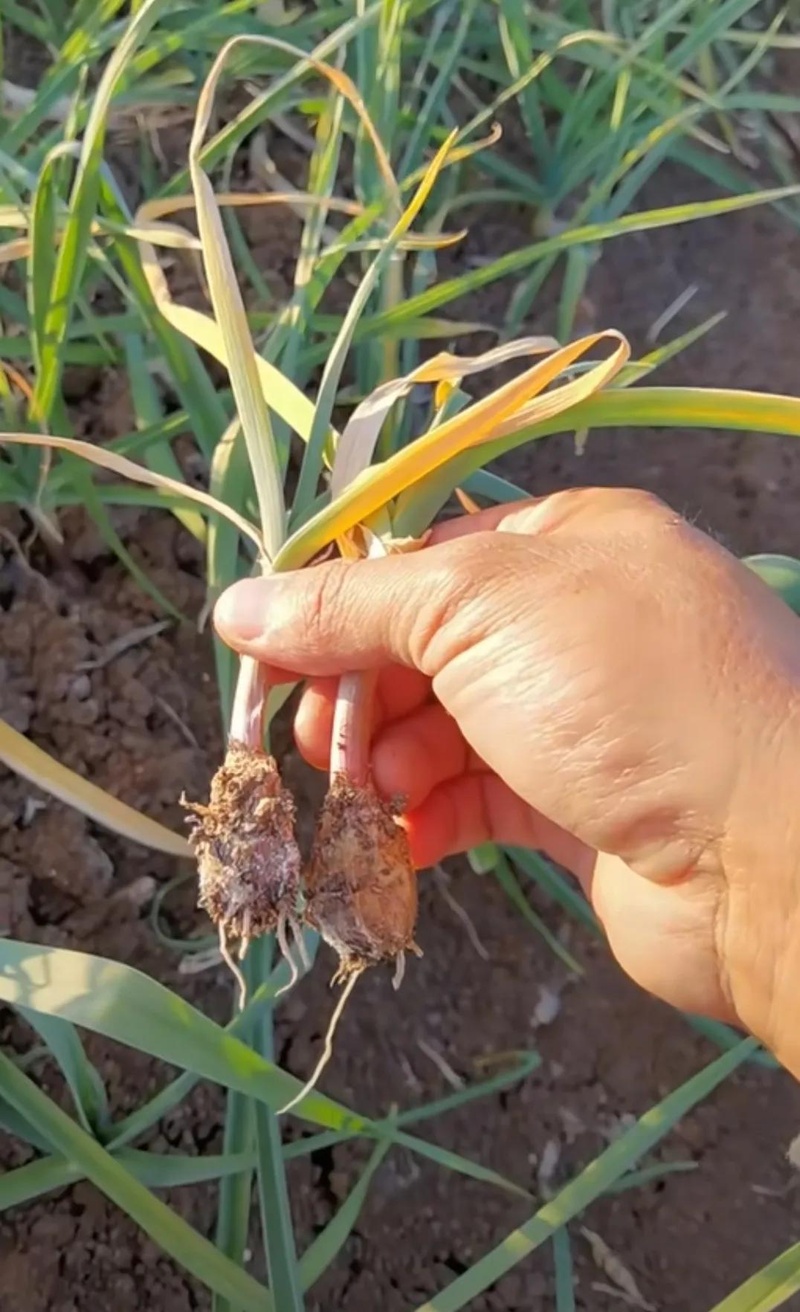
That's it. That's it. That's it。
The old farmer said that many people were also building grass, but the wrong time, the wrong way and the same as white cover. The key to his move is not “cover”, but “check the timing, cover the way”。
First, sowing is a “critical period”。
The old farmer stressed that garlic can't sow early or be too late. Too early, pre-winter booms can consume too much nutrients and decrease resilience; too late, the seedlings are too small and weak, and the winter is prone to freezing. It would be preferable to sow at 15-20°c at average daily temperatures, usually in the north between mid-september and early october。
The test is simple: to ensure that garlic grows four to five leaves before winter, when the seed is the most resistant。
Second, the bottom fertilizers are full, but don't do it。
The old farmer said that many farmers thought they would be fatter because they were afraid of freezing in winter, but not in fact. Garlic is a fertilizing crop, but it must be avoided by winter before too much nitrogen fertilizer is applied, otherwise the seedlings grow too fast and the leaves are tender and prone to freezing. It should be dominated by the fatty of grown farmers, such as cattle and sheep dung, which is both warm and root, and the development of roots is fundamental to combating the cold。
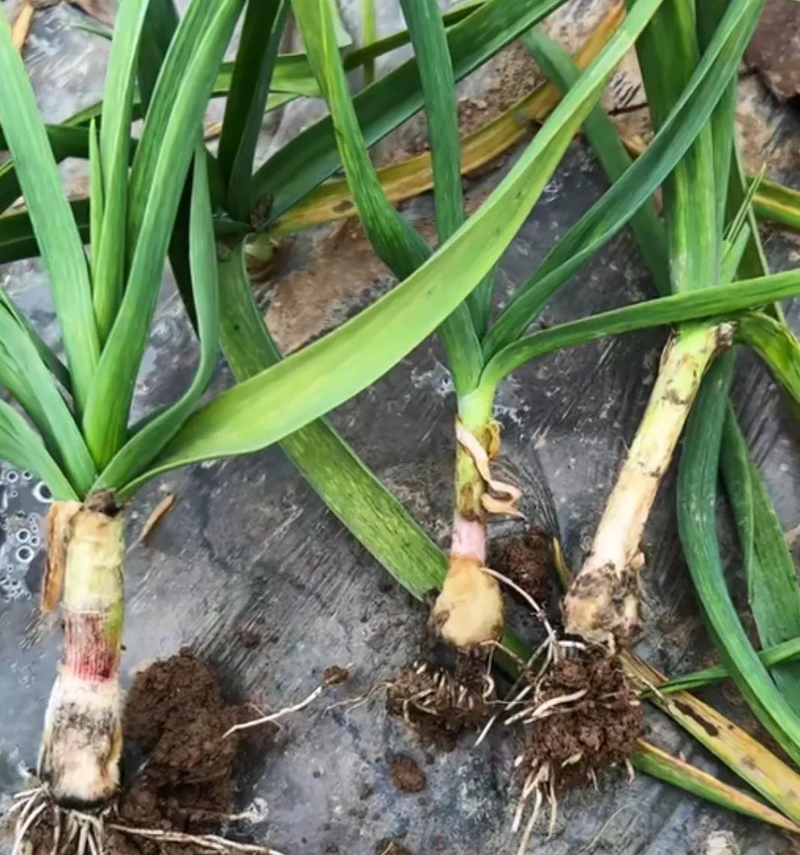
Third, the most critical trick - the grass
The practice of old farmers is to sow garlic, pour water and wait until the ground is dry and the ground is flat. Don't build grass right now, wait
The best time is at a time when the land is about to freeze, when stability begins to stabilize below 0°c at night, and when the day begins (north is about late november). At this point, weeding is not intended to raise the temperature, but rather to keep it cool and stable and to prevent freezing as a result of extreme temperature changes。
The old farmer said, "don't think that weed is supposed to keep warm, but it's meant to give garlic seedlings the cover so that they can sleep safely, without the wind or the freezing snow."
What kind of grass is it? Wheat, straw, corn straw, even weeds, leaves, but not plant materials that are easily fungible. How thick is it? The old farmer's hand was like, "it's about two fingers thick, it's all spread out, it's just fine." too thin, too thick, affects the growth of seedlings after spring。
Note: the soil must be wet before weeding, otherwise the dry wind drys up the water。
What happens after spring
The old farmer smiled and said, "don't rush until the early spring temperature stabilizes at more than 5°c before the grass is gradually removed. Don't take it all at once. You can take off some of the seedlings to adapt to external temperatures."
The benefits of doing so are clear: they are small and strong, and they rarely occur. The old farmer said that he had barely been replanted for freezing the seedlings over the years, and that every year garlic was better than neighbourhood。
I thought about it carefully, and it's actually scientific. The main function of weeding is not only to keep the temperature warm, but also to reduce the stimulation of the root system by sudden temperature changes, while protecting against the wind and avoiding the “lifting” of seedlings from the ground (freezing). In addition, grass slowly decays into organic matter and improves the soil。
The old north-west farmer's approach is simple, practical and cost-free and is worth learning。
Of course, the climate and soil are different across the regions and can be fine-tuned in practice. Particularly cold areas, for example, can increase the thickness of the grass as appropriate, and windy areas can contain several earth bands on the grass to prevent it from blowing away。
A short summary of the old farmer's "one trick":
- the planting of seeds in due course to ensure four to five leaves before winter
- fabrication on the ground, mainly by decomposed farmers
- before the freezing of the land, the lawn is spread evenly, with about two fingers thick
- gradual withdrawal after spring。
It's that simple, it doesn't need extra inputs, it doesn't need sophisticated technology, it can be done by everyone。
I hope this old northwestern farmer's experience helps you! If you have a good way to get past the garlic winter, you're welcome to share your practices in the comment area
This is an experience-sharing exercise for reference purposes only. Agricultural cultivation may vary according to regional, climatic and soil conditions, and please apply it flexibly to the actual situation and suggest small area practices at first attempt。
Have you ever seen a seedling freeze while growing garlic? How do you handle it? You're welcome to share your experience



