01 the rise of earthless cultivation techniques
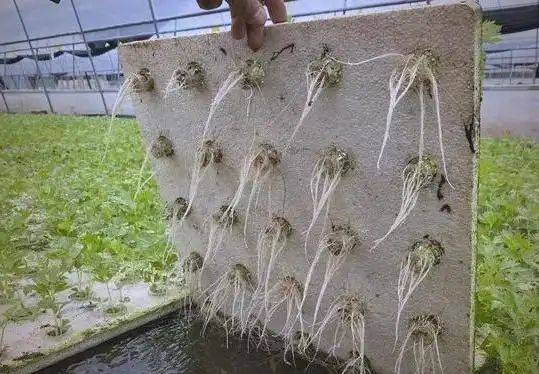
Traditional vegetable cultivation is mainly based on soil cultivation, the quality of which has a direct impact on vegetable growth. However, a non-earth-planting technique is emerging in the huts today. This technology allows vegetables to grow exclusively through “water drinking”, saving not only soil resources but also high productivity. Surprisingly, one-season acre production can be as high as 2,500 to 3,000 kg, with six to seven seasons of harvest per year, significantly increasing the efficiency of cultivation. And when you walk into this hydroponic shed on the farm, you see a whole whole planting panel, where fresh celery thrives in the “water” and thrives。
The busy week in the sheds came from the town of tarsan, three districts in the city of sichuan. In 2016, the couple decided to abandon the prosperity of urban life and to return to their homes to start a business. After in-depth market research and years of searching, they found that there was a wide range of market prospects for squatter cultivation. As a result, in 2020, they decisively contracted and built five greenhouses, introduced advanced hydroponic techniques and began to experiment with water celery。
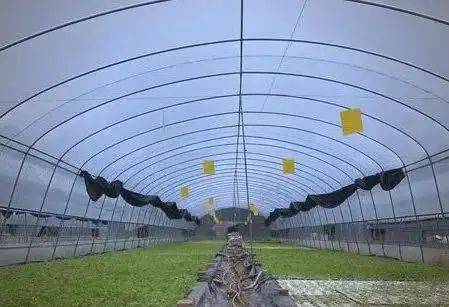
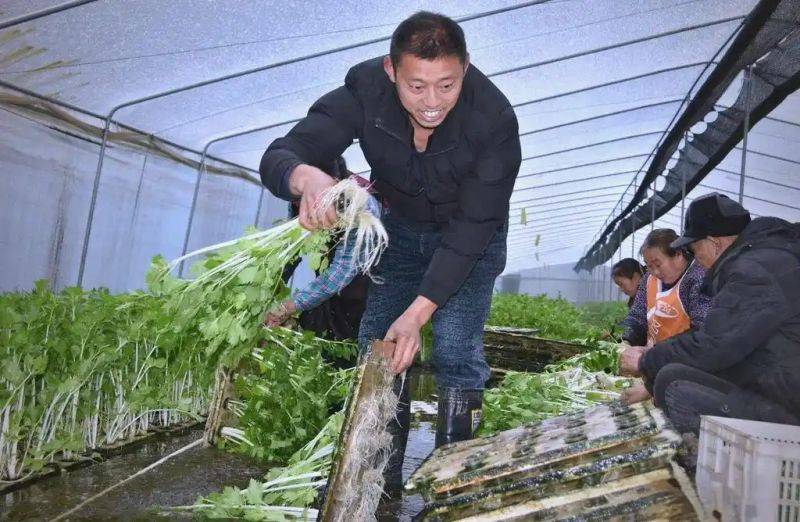
Today, more than a dozen water pools are arranged in a neatly organized manner in the shed of zhou ji. In these pools, white foam panels float, with 25 ping-pong-sized round holes spread evenly across each. From these domes, fresh celery draws green blades, which are vibrant. Zhou zhi said that the production of celery could be ensured if the temperature and light of the shed were managed。
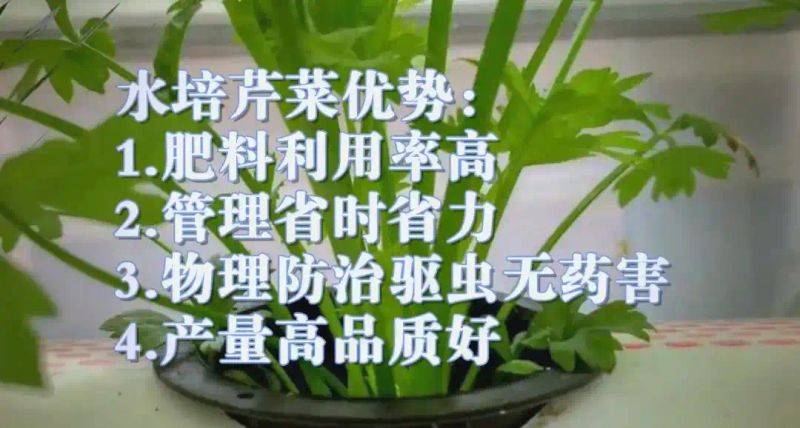
Aqueous celery has a significant advantage, growing six seasons a year and growing for only 40 days a season. This celery is non-hormonal, non-polluted and non-hazardous and of high quality. Zhou's water celery is supplied at a steady price of $5 per kilogram to areas such as yingyang, chengdu and chongqing and is popular with local consumers。
02 wong jibin's contribution and breakthrough
One of the major challenges in the diffusion of hydroponic vegetable technologies is the high cost of initial inputs. In the case of a hot shed, construction costs often exceed $600,000, which discourages many growers. However, the breakthrough of mr. Huang jibing, who had successfully reduced the cost to only 60,000 to 70,000 yuan, had led to significant progress in the promotion of hydroponic vegetables。
In 2017, huang jibing was fortunate to have received training in hydroponic vegetables at the provincial agricultural college and was deeply attracted by this technology. However, he found that it would clearly be an enormous economic burden to build a hothouse on an acre in excess of $600,000 if it were to be built in accordance with the standards of a model park at the provincial agricultural college. In order to explore ways of reducing costs, huang jibing began to wonder whether traditional shed technology could be used for improvement。
The best growth temperature for aqueous celery is between 28 and 30°c, and traditional sheds are often difficult to sustain. With a view to finding solutions, huang jibin has been actively involved in various studies, including online searches for information, field visits to vegetable growing areas in the shed, and interviews with professionals. As a result of his tireless efforts, he succeeded in raising the height of the shed from 1. 56 m to 1. 78 m, thus increasing the flow of air, thereby ensuring greater temperature stability in the shed。
In addition, huang jibing has experimented with the magma of celery, the first practice in the province. In this way, he is able to take full advantage of the abundance of nutrients in the marsh. However, there are very strict requirements for the transfer of nutrients and the addition of biobacteria. After 16 repeated attempts and refinements, huang jibing finally found the right proportion of nutrients and increased the number of bacteria used from one to three, thus effectively addressing the root causes, oxygen deficiency and growth problems that celery may face。
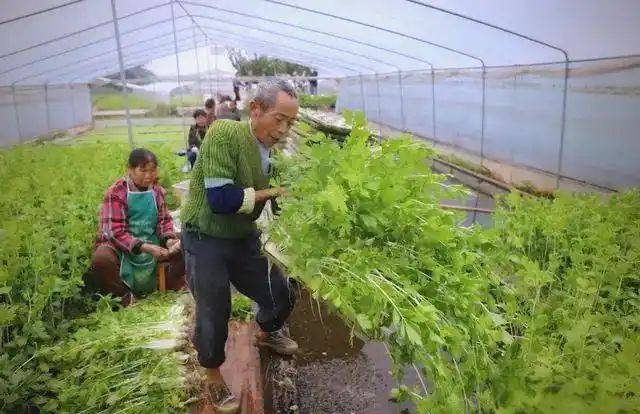
After nearly a year of deliberate seeding, huang gibing finally made a breakthrough in the core technology of low-cost, non-mobility water-breeding vegetables, significantly reducing the cost of investment per acre to only $60,000, marking a huge leap forward in daejeon's extension. More notably, he was awarded a patent certificate on “new practical techniques for bio-vegetative vegetables” and a patent certificate on “practical sheds for bio-vegetative vegetables” issued by the national intellectual property agency, based on innovative bio-vegetative vegetable techniques and unique bio-vegetative vegetable shed designs. The production of the water pepcin menus grown by huang jibin can be as high as 2,500 to 3,000 kg, and can be harvested six to seven seasons a year. By virtue of their excellent quality, the celery was provided to chengdu's box of horse fresheners at a high price of $6 per kilogram, with a daily delivery of up to 1,000 pounds。
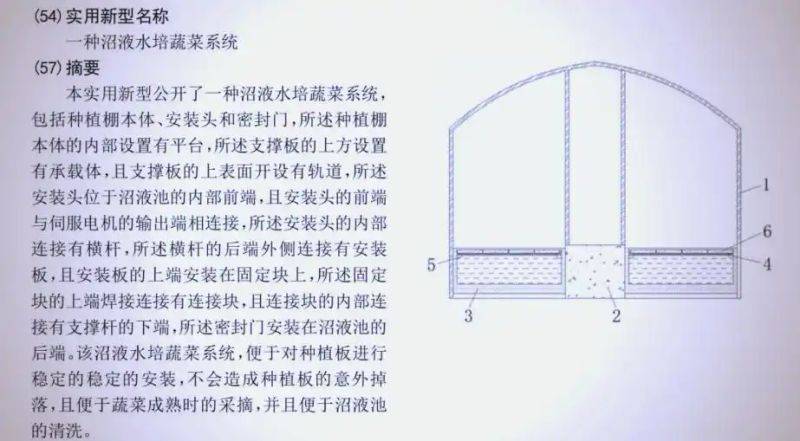
Aware of the vast market prospects for hydroponic vegetables, huang jibing decisively expanded the scale of cultivation, gradually increasing nine different hydroponic varieties, such as onions, emptied cabbage and green vegetables, from the previously available water celery. Today, he has expanded the sheds to eight acres, yielding an alarmingly high annual output of over 200,000 pounds. It is worth noting that the technology for bio-vegetative vegetables, especially celery, which can also grow in high concentrations of marshes, is becoming more sophisticated and can be effectively purified, thus achieving both economic and ecological benefits。
Key elements of hydroponic hydro-03
Technology applications and attention
In the use of marshes for vegetable hydroponics, attention needs to be paid to several core components to ensure healthy and efficient vegetable growth. First, the proper installation of exposure pipes and the provision of adequate oxygen for vegetables are key to their healthy growth. Second, bio-based fluids need to be carefully adapted to their ph range, with the necessary nutrients and chinese antibacterial fluids to provide full nutritional protection for vegetables. During the planting process, the formulated nutrients should be poured into the hydroponic pool, and drifting floats should be placed, a porosity should be set and a vegetable seed should be inserted. After planting, nutrients are regularly added to the trophic fluid to sustain the harvest period. In addition, throughout the planting process, water temperature should be strictly controlled within appropriate ranges and exposed daily to ensure healthy vegetable growth。
Swamp treatment and ratio adjustment
Marshes cannot be used directly for hydroponic vegetables. Before they are made into nutrients, they must be treated with filtered sludge and waterfall gas, while the ratio of marshes to water is strictly controlled. In addition, attention needs to be paid to the proportion of the three elements, n, p and k, which are allocated at different concentrations depending on the plant species. Usually, only a small amount of inorganic n is to be replenished in the marsh, and other elements meet plant growth needs under suitable conditions。
Please note that due to the wide variation in the composition of the marsh, it is mainly influenced by factors such as the type of fermented raw materials and the fermentation conditions. Therefore, when using a marsh for soilless cultivation, a component test should be carried out and appropriate nutrient adjustments should be made in accordance with the characteristics of the marsh in order to improve the effects of cultivation。