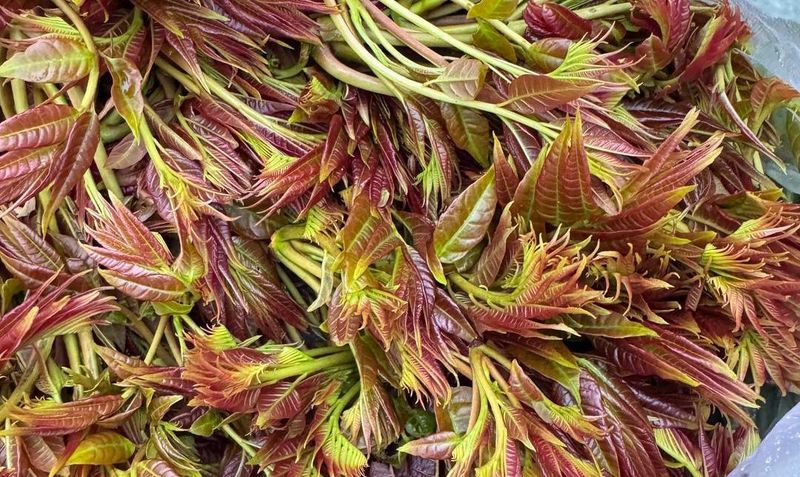
Red bean sprouts are widely distributed in the northern hemisphere, with wild or seeding in the remaining provinces, with the exception of xinjiang, ningxia, qinghai and inner mongolia provinces, which are not reported. The use of cyanol from red bean sprouts is of considerable pharmaceutical value, especially for cancer treatment, as well as for garden applications, basin development, etc., and has recently received strong attention from local tree producers. However, how can artificial cultivation be realized with greater benefits
The nursery lands are selected for cultivation in most of the country, based on analysis of the distribution of wild red bean sprouts and climate information, with yunnan, guizhou, guangxi, sichuan and the mountainous regions of qinba being the preferred constituency. The nursery grounds are suitable for near-planted areas, are easily accessible, are well-established conditions such as drainage and irrigation conditions, a levelling of the terrain, soil fertility, water fattening, salt-free forests, and are open or thin woody。
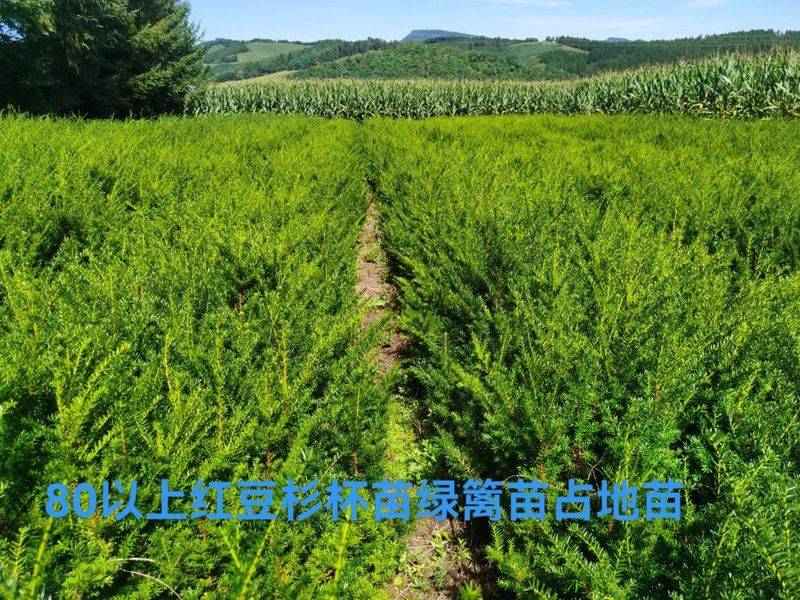
The nursery is managed to produce live seedlings or seedlings of various types of red bean sprouts, which are concentrated in the nursery, with a density of 1 m or 0. 8 m x 1. 2 m, suitable for 7,500 to 9,000 hectares. Before winter or spring, 30 centimetres flat on the ground, depending on the size of the plant, a combination of 0. 05 to 0. 1 kg of nitrous phosphorus per lavender, 2 to 3 times during booming periods, i. E. Between may and july, and 75 to 150 kg of urea per hectare, combined with 0. 1 to 0. 3 per cent of urea combined with potassium phosphate and 1 to 10 mg/l6-synthesis and rhesin, may also be tested to promote growth. In view of red bean sprouts, especially early-age strains, which fear strong light and drought, can start with the planting of low-yielding crops such as corn and green vegetables, water management to maintain high air humidity and soil moisture without flooding? Br>
Plantation should be preceded by a qualitative classification of the tree, requiring the roots to be complete, strong, dry and black, full of buds and quarantine pests. The planting of seedlings near the planting grounds and the transfer of earthballs to life rates are close to 100 per cent. Long-range transport of trees with more water loss should be soaked day and night and fully watered before planting. The choice of container seedlings helps to protect the root system and improve the survival rate。
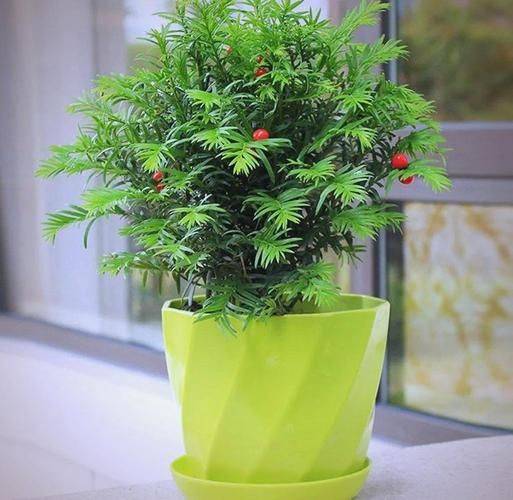
In the north, where the first spring tree fluid has not yet flowed, i. E. Before the fallow tree species had sprung, in the south it was appropriate to plant the hibernation period after the new winter had stopped. Local weather conditions allow for early planting, which is conducive to the recovery of root systems and high rates of survival。
It is planned to dig a full-scale ditch of 0. 4 m x 0. 4 m, with organic fertilizer of 10 kg each, mixed with the topsoil, plowed into the hills, put the tree in, stretch the roots, correct the position, fill the topsoil with surface fat soil, detach the layer, then fill the core soil, build a puddle of 0. 4 m wide, immediately fill the water, fill it with enough water, then impregnate the water to level the root neck and the ground, and then seal the earth, so that the proper shade can improve the survival rate。
Cultivation management checks live and replants. A seedling transplant should be better accompanied by earth balls or by planting bags. The management of pure forest plantations is essentially the same as that of the nursery, and it is essential to post-plant management because of the shallowness and dampness of the sprouts. After working, the seedlings are cut off from the main stem at a distance of about 30 cm from the ground in order to facilitate the growth of the side branches after planting or before or after summer sleep. The same is true for the second year, when the branches taken can be used as plugs, and after the third year when new leaves can be collected for pharmaceutical feedstocks。