1. Overview of domestic hydroponic vegetable cultivation
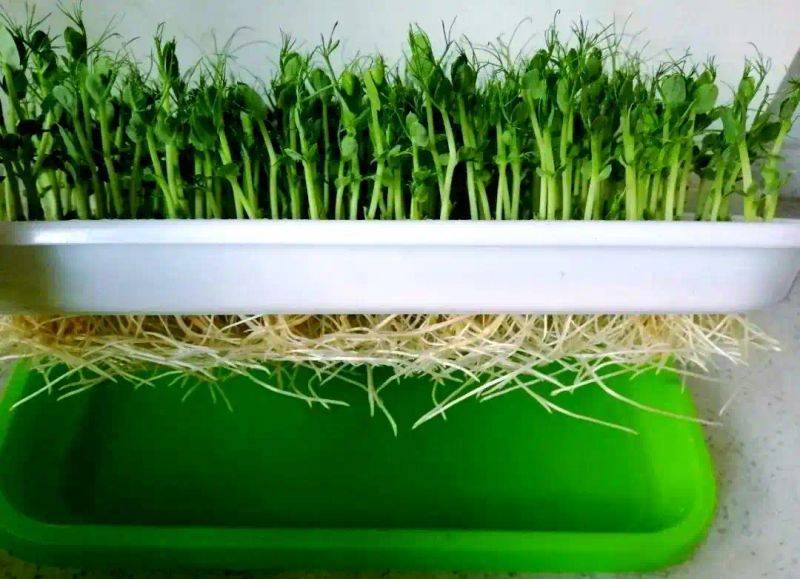
In recent years, domestic hydroponic vegetable cultivation has been widely enjoyed. In this way, we can not only appreciate the beauty of green plants, but also harvest clean, fresh and harmless vegetables, fulfilling the dual value of viewing and eating. In addition, the management of hydroponic vegetables is relatively simple and there are fewer problems with pests and diseases. High-efficiency outputs can be achieved either through small-scale cultivation in both the yard and the balcony, in simple containers such as foam boxes or plumes, or through the purchase of specialized equipment for large-scale cultivation。
Perhaps you're curious about hydroponic vegetable cultivation. You might ask, "what is a hydroponic vegetable growing?" what are the significant advantages and advantages of soil cultivation? Is the cultivation of hydroponic vegetables easy and easy to manage? At the same time, you may also be concerned about how to plant seedlings, how to manage them, and what techniques you should acquire in the process. So, for those friends who love water-breeding vegetables, we will then explore in depth the methods and techniques of water-breeding vegetables。
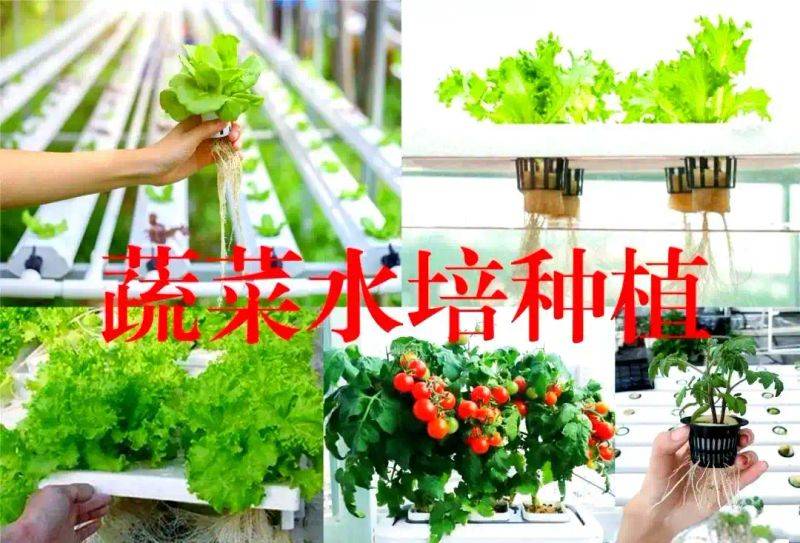
2. Definition and advantages of hydroponic cultivation
Vegetable water cultivation, also known as “vegetable water cultivation” or “vegetable soilless cultivation”, is an innovative form of cultivation. Through well-designed equipment, it creates a stable growth environment for vegetables and ensures accurate control of water, fat, gas, heat, etc. Under this model, vegetables are planted in enclosed waters, and their roots are completely immersed in water, enabling them to extract the necessary nutrients from the nutrients for healthy growth. This landless farming technique not only increases the efficiency of cultivation, but also provides a balanced and efficient supply of nutrients for vegetables。
3. Remarkable advantages of hydroponic cultivation
Most of the vegetables that we know well are cultivated from cultivated land, yet hydroponic vegetable cultivation offers us an entirely new option. This vegetable, which grows from water, has three distinct advantages compared to traditional soil cultivation。
3. 1. Food advantages of hydroponic cultivation
Vegetable cultivation methods are simple and more readily collected. Vegetables can be grown year-round at appropriate temperatures and light. More importantly, fresh vegetables can be grown, harvested and eaten at all times, a feature that keeps vegetables on the table forever fresh. Vegetables have a much fresher taste and a much more juicy taste than the vegetables planted in the soil, bringing fresher food experiences to the eaters。
However, hydroponic vegetables, which are slightly lower than those grown in the soil, are relatively less groceries. At the same time, hydroponic vegetables are not as resistant to storage and transport as the vegetables planted in the soil for long periods of time and are more likely to suffer from atrophy or decay when placed. These are issues that require attention in the planting and consumption of hydroponic vegetables。
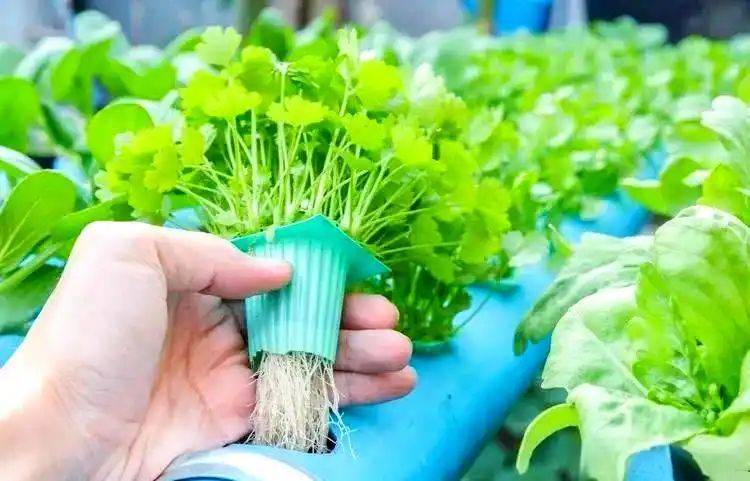
3. 2. Green, clean and safe properties of hydroponic cultivation
Vegetables are grown using whole-way, clean-cycle water, effectively avoiding problems such as possible heavy metal contamination from soil cultivation and excessive nitrate content, and ensuring their purity and safety. At the same time, as hydroponic vegetables are not soil-dependent, pesticide use caused by heavy planting barriers and endemic pests can be significantly reduced. Typically, they are grown in controlled environments such as greenhouse sheds or family balconyes, and grow in stable and accurate environments, thus reducing pesticide use due to, inter alia, poor weather and frequent pests. In addition, the absence of external air residue contamination during the growth of hydroponic vegetables further enhances their green safety quality。
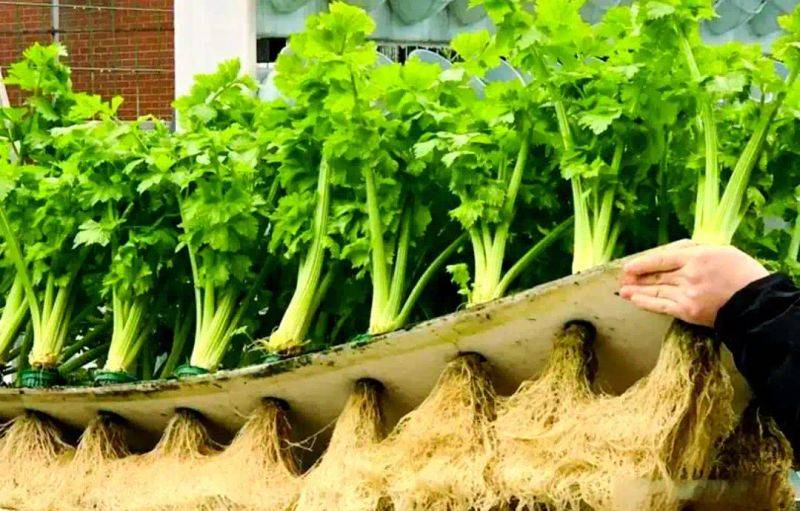
3. 3. Growth advantages of hydroponic cultivation
Vegetables are supplied with rationally formulated nutrients that allow root systems to absorb nutrients more directly, quickly, adequately and evenly. This advantage has significantly increased the rate of growth and production of hydroponic vegetables compared to those grown in the soil. For example, hydro-greening vegetables usually take more than a month after planting, and most varieties support successive harvests, thus achieving efficient and high-yielding planting targets。
4. Vegetable varieties suitable for hydroponics
Experimental hydroponic cultivation may be a new option for many of the friends who love the cultivation of the balcony. However, it may not be clear to you which vegetables are more suitable for this method of cultivation. Don't worry, we'll show you which vegetables can grow better in hydroponics。
First, we need to know which vegetables are most suitable for hydroponic cultivation. Such vegetables are usually characterized by short-lived growth cycles, rapid growth and easy harvesting, while hydroponic management is relatively simple, with lower requirements for water fertilizing light. For example, lettuce is an ideal candidate not only for easy growing but also for a first attempt at hydroponic vegetables. In addition, cabbage, spinach, oilseed, celery, cabbage, cabbage, mussels and pickles are suitable for hydroponic cultivation. These vegetable varieties are well suited to be tried by newer friends who lack experience in hydroponics or have little experience, whether in family homes, balconyes or foam boxes, to meet their growth needs easily。
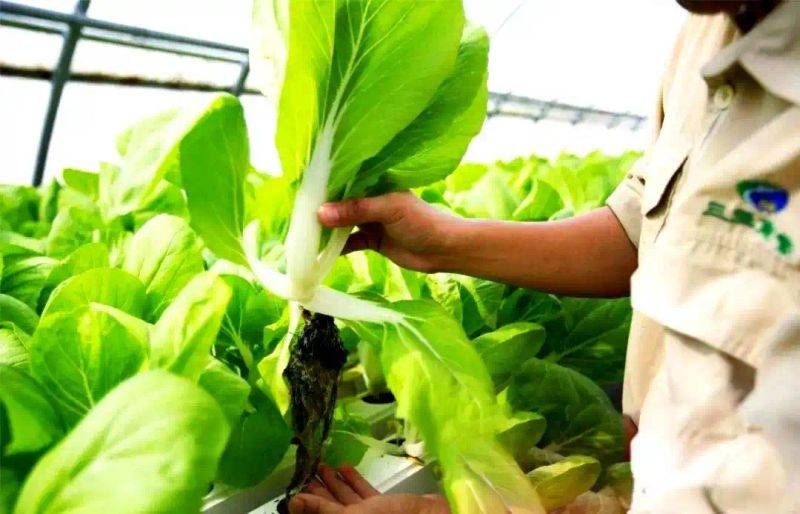
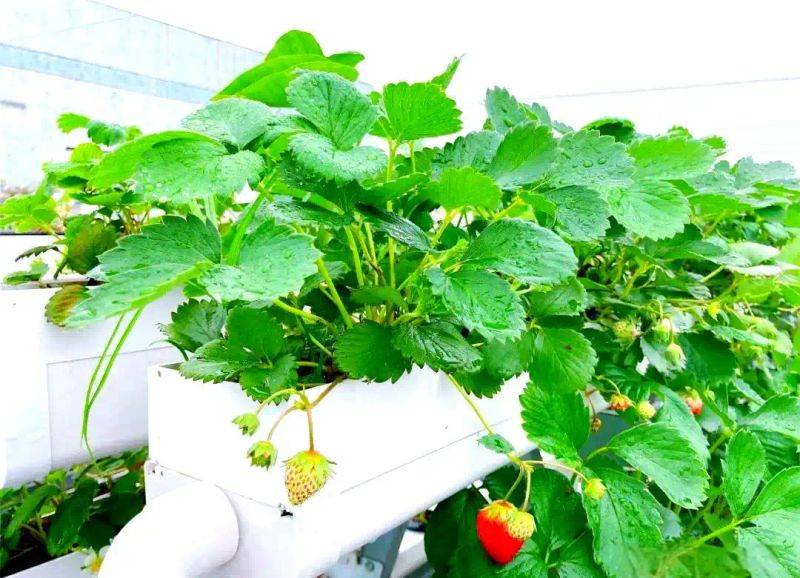
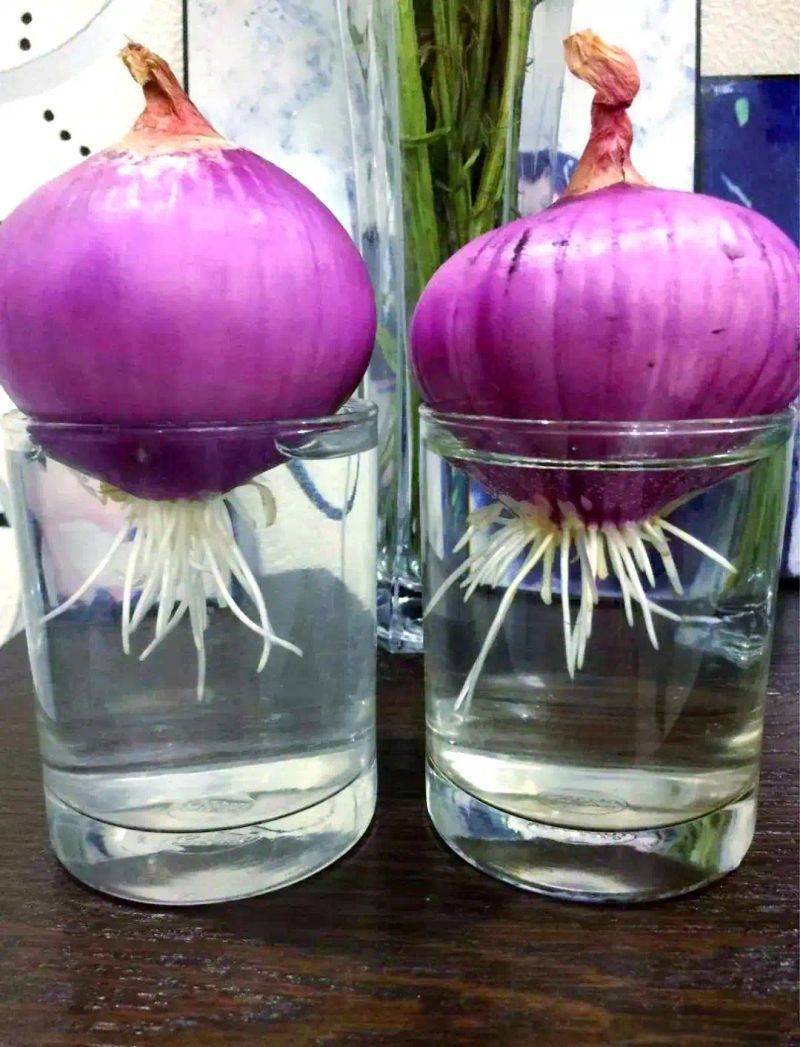
Second, while management of hydroponic cultivation is difficult, it is not unfeasible. The management of hydroponic plants such as onions, carrots, garlic, garlic and onions is relatively simple and still worth trying. However, hydroponic management is relatively complex for flowering vegetables such as cucumbers, tomatoes, strawberries and peppers due to their long growth cycles, slow growth and long harvest periods. Such vegetables are better suited to friends with some experience in hydroponic cultivation or specialized in this field。
Key elements of hydroponic cultivation
Many of the practitioners of vegetable and hydroponics have asked the same question: why do the vegetables grown on their own always perform poorly and there is a significant gap in comparison to others? The reasons behind this are not complex. The key is the lack of mastery of plant management techniques for vegetable hydroponics or insufficient attention to a range of details in the vegetable hydroponic process。
In this context, we stress the need to pay particular attention to the following core issues when growing vegetables:
5. 1. Nutritional techniques
For hydroponic vegetables, the choice and use of trophic fluids is essential, which is equivalent to the fertilization chain in soil cultivation. The poor performance of many beginners in growing hydroponic vegetables is often associated with inappropriate use or neglect of the importance of nutrients. Since hydroponic vegetables are completely detached from the soil, the nutrients required for their roots must be obtained from water, while water growing hydroponic vegetables does not contain many nutrients in the soil. Thus, the artificial purchase or preparation of nutrients and their recharge to water is essential to ensure healthy vegetable growth。
5. 1. 1. Initial attempt proposal
For friends who first experimented with hydroponic vegetables, it was recommended that finished nutrients be purchased directly for different types of vegetables. The demand for nutrients varies among the leaves, root and flowering vegetables, so it is important to choose the right formulation. In supplementing nutrients, “inputs, precise matching, as required”。
5. 1. 2. Recommendations of persons with some experience
Friends with some hydroponic experience may choose either to make their own nutrients or to purchase finished products for water solubility. When formulated, it shall ensure that the fertilizer is concentrated in the whole elemental water solution and that the water is diluted in proportion, such as calcium nitrate, potassium nitrate, etc. These fertilizers not only provide the basic nutrients of potassium nitrogen phosphorus, but also contain trace elements such as boron, calcium, magnesium, zinc and iron, which meet the full growth needs of vegetables。
5. 1. 3. Nutritional supplements to specific vegetables
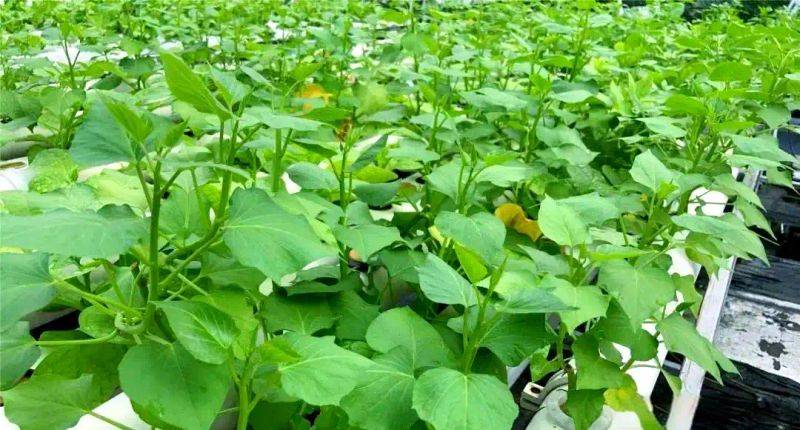
In hydroponic vegetables, the choice of liquid fertilizers containing phosphorus, potassium, calcium and magnesium is recommended. The application of nitrogen fertilizer can be increased if the vegetable leaves are expected to grow rapidly and robustly or if the whole vegetable is yellow. The promotion of flowering results in vegetables can be followed by the addition of phosphorus, potassium, boron, calcium, etc. If vegetable leaves are too small, magnesium and zinc may be added. When the upper leaves of a vegetable show symptoms of yellow and green leaves, the emphasis should be on iron. If the lower leaves of the vegetables are yellow and green, the use of magnesium fertilizer should be increased. The fact that the top blades are thick and thin and sprouty indicates the need for additional boron. The application of potassium fertilizer should be increased when the tip of the leaves and the edges of the leaves in the lower part of the vegetable are burnt. If the lower leaves of the vegetables are red and purple or dark green, phosphorous fertilizer, etc. Should be added. These recommendations are designed to help you select fertilizer more precisely for the various deficiencies in vegetable growth。
5. 1. 4. Frequency of use of nutrients
In the process of hydroponic vegetables, the frequency of use of nutrients or fertilizers is determined according to the vegetable's growth cycle. Often, vegetables need to be replenished with two to four nutrients or fertilizers during their growing life. For vegetables that produce shorter, long-term vegetables, such as lettuce, spinach, etc., only one or two nutrients will be used during their growing life. For vegetables that produce long-term fruit, such as tomatoes and eggplants, three to four consecutive nutrients are required, or are replenished every two to three weeks to ensure healthy vegetable growth. It needs to be noted, however, that frequent and excessive use of nutrients is not conducive to the growth of vegetables and may lead to root problems or poor growth。
5. 2. Water selection for hydroponic vegetables
Clean and live water must be chosen when growing vegetables using hydroponic methods. Living water can provide the necessary conditions for vegetables to grow healthy, productive and high-quality vegetables. If cultivation is carried out with poor water quality or dead water, it can lead to limited growth or lower quality of vegetables。
The so-called clean water requires not only fresh and clean water quality, but also water alkalinity ph as far as possible within neutral or weak acidity, which is appropriate between 6 and 6. 5. Such water quality conditions favour the healthy growth of vegetables. The use of live water, on the other hand, means ensuring the circulation of water around the roots of vegetables when growing them. Because the breathing of the vegetable roots is largely dependent on oxygen in the water body, which needs to flow through the water cycle。
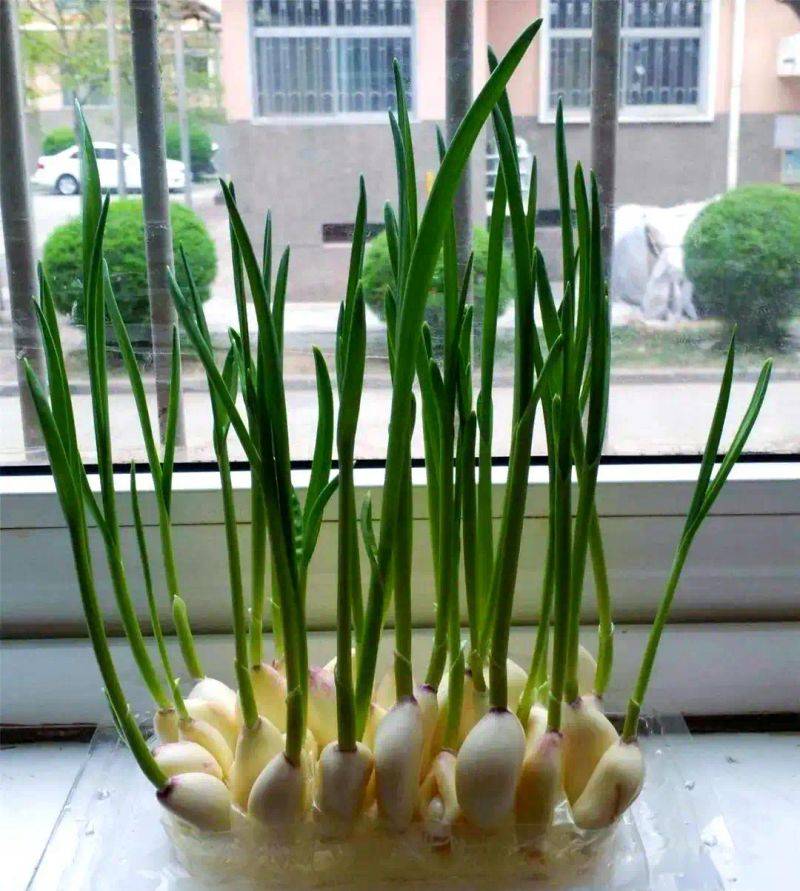
5. 3. Cultivation and planting
Following the previously mentioned seed disinfection and seeding process, temperature-preservative humid sprouts are first performed until the vegetable seed is lumbered and then planted in a nursery or seedling. Seeds are seeded with 1,000 times more nutrients to enhance the nutritional supply and two thirds of the nutrients filled with vegetable seedlings are partially immersed in water. Every day, fresh water is replenished until two to three leaves grow in vegetables, so that preparation for planting can begin. During this period, care needs to be taken to maintain the appropriate temperature during the nursery period at 20-25 degrees during the day and around 12-16 degrees at night。
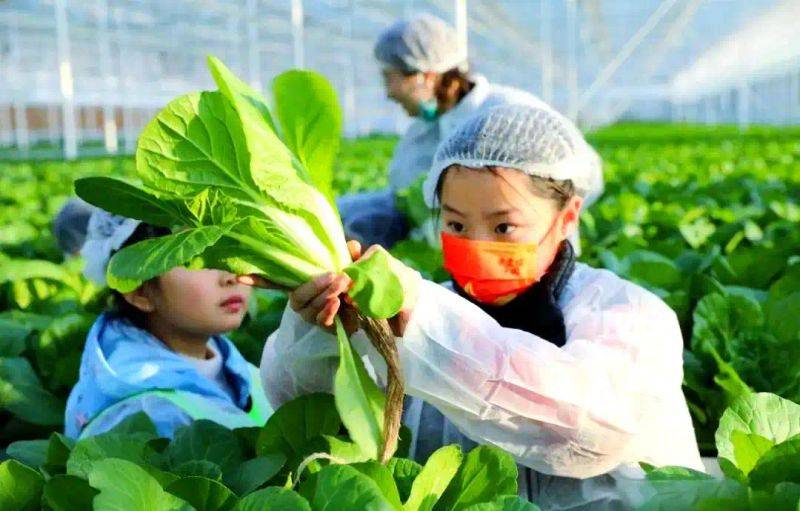
Vegetable seedlings ready for planting are separated and then planted in hydroponic boxes, panels or baskets. During the planting process, it is necessary to ensure that the roots of vegetable seedlings are able to pass through the base of the plate or basket so that the roots can be stabilized. As the root systems of vegetable seedlings are not supported and their direct placement in water can lead to a fallback, we can then use light materials such as rough sandstones, pottery, plasters, pearl rock, rock cotton, sponge strips or nanoballs to fill the root systems after planting. For vines and vegetables such as tomatoes, cucumbers, peppers and eggplants, there is also a need to build support for their growth and successful flowering after their height。
5. 4. Daily management highlights
Vegetables are not growing without sufficient light. For family-planted hydroponic vegetables, they are naturally exposed to sunlight in the open environment. For those planted on the balcony, they should be placed on the side of the sun to ensure adequate light. In the case of large-scale greenhouses, artificial light lighting could be considered to better meet the light demand for hydroponic vegetables。
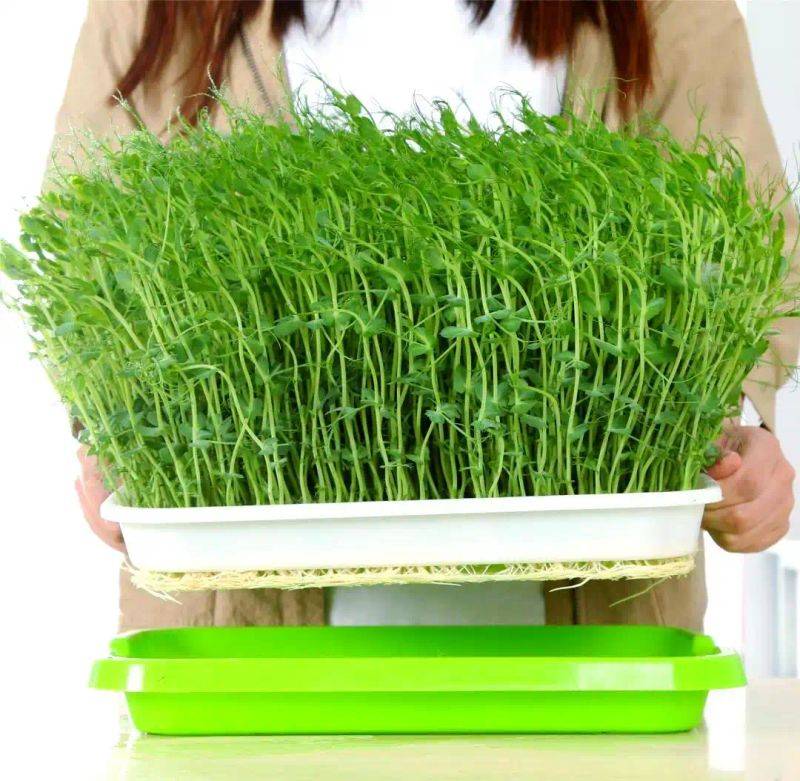
Regular ventilation and flexibility to regulate growth temperatures are essential in the daily management of hydroponic vegetables. Reasonable regulation of the temperature environment depending on the stage of growth. At the same time, routine management operations, such as whole branches, vegetables and vegetables, are essential。
In addition to the key points mentioned above, attention needs to be paid to observing the growth of vegetables in the process of growing them. When vegetables grow into mature harvests, such as lettuce, which usually matures about one month after planting, they should be harvested in a timely manner. For vegetables that need to be harvested continuously, such as water tubers, we usually need only pick these parts and retain the underwater roots so that they can continue to grow the leaves and thus sustain the harvest。
I hope this information will help you. Now, if you're interested in growing hydroponic vegetables, you might want to try to grow some of them on the balcony or in the yard. It's not just a way to relax, it's also a way to experience a quiet and natural beauty in a busy life。