The new kyoto news service (journalist) is approaching the national holiday and many people have chosen to travel to australia on vacation. The consular department of the department of foreign affairs reminds that chinese tourists travelling to australia on national holiday will need to be careful to comply with australia's entry declaration and carrying requirements, in addition to carrying a traveler's suit, and to avoid unnecessary complications by carrying prohibited goods. In addition, in response to frequent accidents, travel and water projects, chinese tourists need to understand local rules, driving habits, geographical features and be safe。
Compliance with the declaration of entry and carrying of goods, subject to imprisonment for up to 12 months
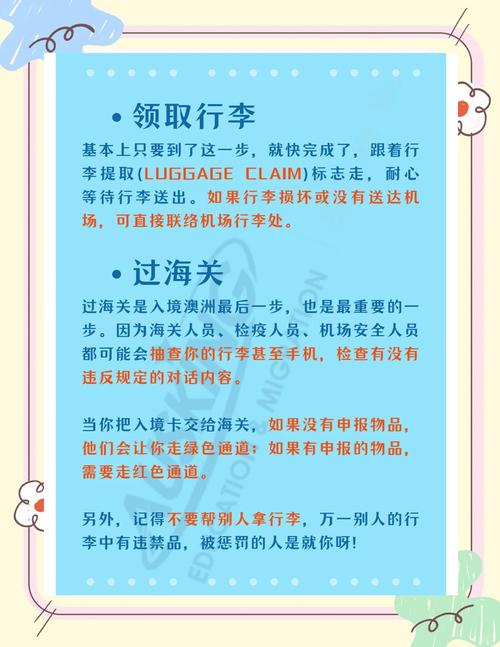
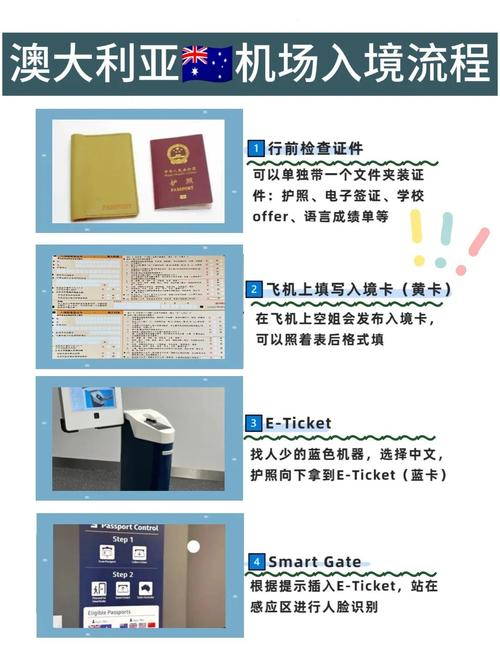
In accordance with the relevant provisions, prior to entering australian customs, passengers are required to complete an entry card indicating whether they are carrying any of the listed items. Even if the declaration states that no possible contraband is carried, border biosafety officers have the right to conduct package checks or to use x-ray machines, sniffers and dogs to inspect passengers ' luggage。
Undeclared persons face fines of up to $12,600 and imprisonment for up to 12 months, in addition to the forfeiture of prohibited goods. After legal entry, some items may be in conflict with the biosafety policy of some states and territories, and passengers are required to search in advance. In addition, if the goods mentioned in any other entry card are carried, they are required to be declared to customs, and if it is not clear whether the goods are required to be declared, it is recommended that the declaration be made and presented to the customs inspectors, who will exercise their judgement。
In particular, the chinese embassy in australia reminds that the items to be declared are:
Currency: if cash in australian or foreign currency equal to or greater than $10,000 is brought into the country, it must be declared to customs and completed with the form for cross-border movement of entity currency。
Medicines: australia has detailed regulations on drugs to be brought into the country, and in order to avoid unnecessary misunderstandings, an english version of the drug instructions can be prepared in advance, and only enough drugs for its own use are available and are not available. The types of drugs to be declared include hormonal drugs not exceeding three months, narcotic drugs, prescription drugs not exceeding three months for self-use and sedatives (with a doctor's prescription letter in english and with him). The carrying of drugs, including steroids, is prohibited。
Biological groups: australia attaches great importance to biosafety to prevent all types of pests, diseases and economic and environmental damage. The following items must be declared: food such as meat, fish, eggs, fruit, vegetables, milk; plants such as grains, seeds, medicinal products; live animals, animal parts, specimens, etc.; fresh soil and field equipment such as mountain-mounted bicycles, mountain-mounted shoes, etc. Close contact with farms and other factors of the wild environment over the past 30 days is also declared。
In addition, all dairy and egg products and their products are prohibited in australia, except for infant formula powder and new zealand dairy products, which are allowed to carry babies. All non-canned meat products, live plants and animals, fresh fruits and vegetables are also prohibited. It should be noted that pirated dvds, fireworks, counterfeit and hypocritical goods, food for any pet (unless an advance import permit is requested) and food issued on board aircraft are also prohibited。
High number of holiday traffic accidents and different requirements for the use of foreign driving licences in australia
In addition to complying with australia's immigration declaration and carrying requirements, the consular department of the department of foreign affairs reminds chinese tourists travelling to australia during the national holiday of the safety of traffic and water-related activities when travelling on their own in australia or participating in various water activities。
Traffic accidents are common and prone to personal safety incidents among australian chinese citizens. Holidays are a period of high traffic accidents, and the chinese embassy in australia reminds chinese tourists in particular that the use of foreign driving permits varies from state to state in australia, which may require an international driver's licence to apply for a local driver's licence. Australia drives the left side of the right rudder and the round island leaves the right. Drivers are not allowed to touch mobile phones when travelling, traffic jams, traffic lights, etc. A distance of at least 1 metre shall be maintained when a road not exceeding 60 km/h is driven by the rider. In rural driving, care is taken to avoid the sudden emergence of animals (e. G. Kangaroo) and super-long vehicles. Do not travel to the mountains and gobi without professional training, security or the presence of professionals。
There's a lot of danger in the water
Water activities are popular with chinese tourists in australia, and potential dangers may follow, and every year in australia chinese citizens die and die from unwitting drowning. The chinese embassy in australia reminds chinese tourists of the following:
1. Prudence to take part in diving. Every year, there are accidents of drowning among chinese citizens. When you dive, care is taken to take part in a dive organized by qualified companies, and not to dive in the case of ill-health; to listen carefully to and follow the guidance of the dive coach and remain in a safe area that can be monitored by the dive coach, watchman or tour guide; and to ensure that floating equipment is properly worn and used before going into the water, and to practice a lot of air-breath drains to prevent a water strangulation。
2. Careful participation in rock fishing. There have been numerous accidents in australia in which chinese citizens have lost their lives in the sea as a result of rock fishing or negligently landing or being caught in waves. When fishing, attention is drawn to the need to be drawn to the following: be close enough to go with each other, not to steep rocks, wearing protective life-saving items such as slippers, life jackets, flashlights, etc.; study in advance and learn about the weather, tides, terrain, etc., in advance, and make sure that the situation changes in a moment; evacuate in a timely manner when it is discovered that sea surface rises may be dangerous; stay calm, swim from the rock area and look for a safe place to stay physically on the surface and wait for rescue; and call emergency service telephone number 000 and use tools such as ropes or life-cycles to help if a fellow man lands。
3. Stay away from offshore flows. Offshore flows are a narrow and strong water flow from the coast to the sea, influenced by coastlines, which can bring people off the coast and drift out into the sea. When confronted with offshore flows, people are vulnerable to drowning because of physical inactivity, and if they fall into it, they must remain calm and move out vertically. If there's a wind, it's better to swim in the wind。
4. Stay away from boxed jellyfish. Australia's box jellyfish is a beautiful but deadly marine life. If you touch it, you must be treated urgently。
If you need help, you can call:
Australia's call for help: a police call for help for 000 (coup, first aid, fire sharing)
Police help: 131444 (accidents of theft, theft, general traffic accidents, loss of property, etc.)
Global consular protection and services emergency hotline (24 hours): +86-10-1208 or +86-10-59913991, calling 0011-86-10-5993991 from australia
Wireless users can help through the small program "ministry of foreign affairs 12308"。