


On the 29th of july, people's finance news, the press spokesman and deputy director of the national intellectual property agency, raven piao, stated at the press conference that we would focus on five aspects of intellectual property during the “fifty-five” period:
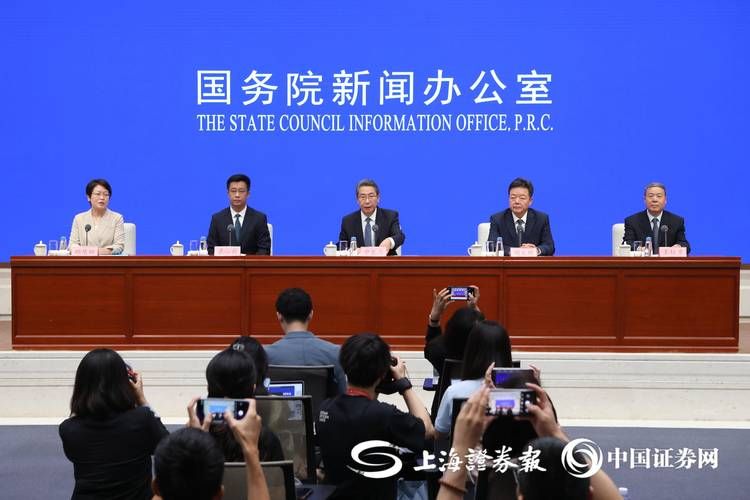
The first is to highlight the national development agenda. Greater emphasis was placed on the integration of the intellectual property system with economic and social development, with a clear focus from the full chain of intellectual property creation, protection, use, management, services and international cooperation, and a full range of initiatives to serve the country's full innovation, quality development and high level of openness。
The second is to highlight the development of new dynamics. The priority tasks to be deployed in the framework of the “fifty-five” national plans for the development of new quality productivity, critical core technology barriers and the development of niche industries are to strengthen the supply and technical supply of the intellectual property system, inject new dynamism into high-quality economic and social development, provide new dynamics and shape new advantages。
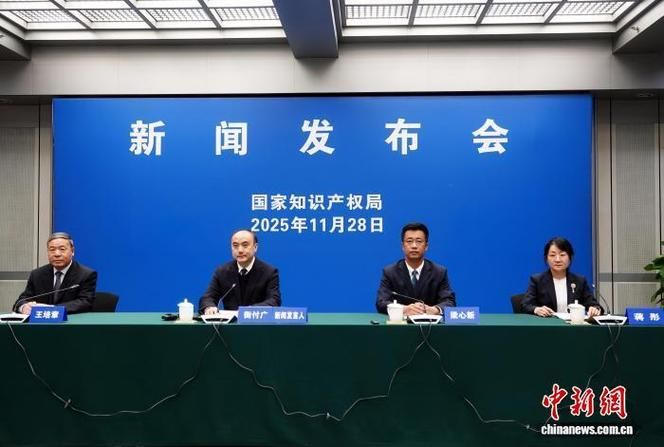
The third is to highlight high-quality development orientation. Optimizing the content of indicators such as “proprietary ownership of high-value inventions per 10,000 population”, making it more scientifically rational to set indicators that directly reflect the contribution of intellectual property rights to economic development, and focusing on the stable interface with the mandates of the “1455” period, the subsequent advancement and implementation of indicators。
Fourth is to focus on responding to the need for technological innovation. In the face of the new scientific and technological revolution and industrial change, intellectual property protection rules have been further refined in the areas of artificial intelligence, big data and algorithms, greater efforts have been made to strengthen the protection and application of intellectual property rights, greater cross-regional and cross-sectoral intellectual property rights collaboration, deeper participation in relevant international rule- and standard-setting, helping to better stimulate innovation and pre-empt development。
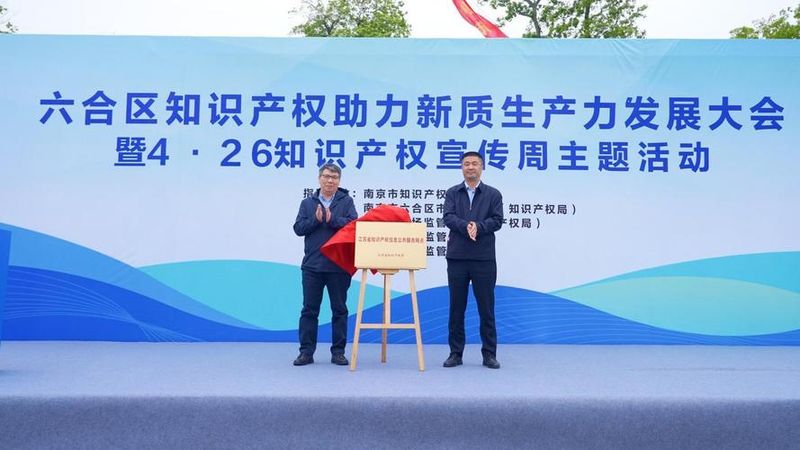
Fifthly, it highlights regional coordinated development. Strengthen the contribution of intellectual property rights (iprs) to the implementation of major strategies in key regions such as kyoto, the long triangle and the bay of hong kong, to promote the synergy of intellectual property policies with regional development strengths and to enhance regional development dynamism。



