The melons are the melons we call normally, and in some areas they are also called cucumbers, which are different from one area to another, and are one of the summer fruits。
In the summer, melons are well warmed, many varieties of melons can be seen in different colours and shapes, as well as several colours of melons cut off from the fruit stand。
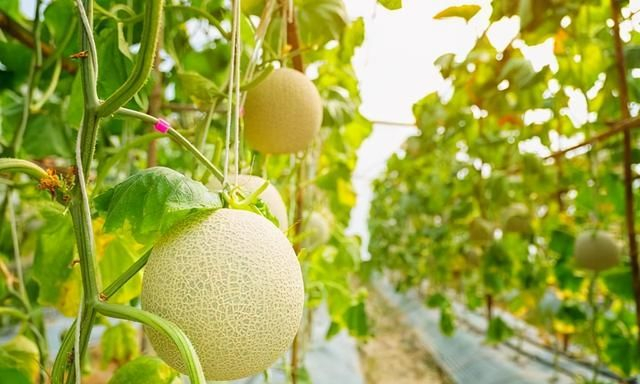
The melon is rich in many trace elements for human needs, such as proteins and carbohydrates, and contains dietary fibres that promote intestinal creeping, with some mitigating effect on human constipation, with certain consumer groups in the fruit market。
As the technology of the sheds is becoming more widespread, many vegetables and fruits are grown through them and can be eaten in different seasons with their own habit of guacamole vegetables, the techniques of which are well understood and remembered。
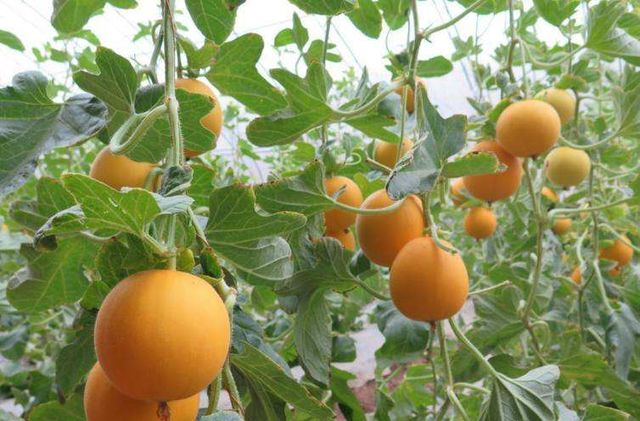
I. Characteristics of melons and growing environment
The melon is sweet and thin, and it is popular with many children, and there are differences in the shape of melons produced in different regions, some of whom have seen yellow and white melons. In some areas, however, it is common to have green and white, which is not smooth in appearance, but rather a clear line。
There is also a slight difference in the taste of melons of different skin colours, with the same colour of the fruit and skin when it is opened, and the entire plant leaves are like some reptiles, such as water melons and pumpkins。
The melon itself likes the light, with enough light to guarantee the sweetness of the fruit, with a suitable temperature of 25-30 degrees, and a large difference in temperature between day and night. In particular, the accumulation of sugar in fruit has a significant impact, the quality of the fruit is related to the difference between day and night temperature, and the conditions in which the temperature grows must be considered。
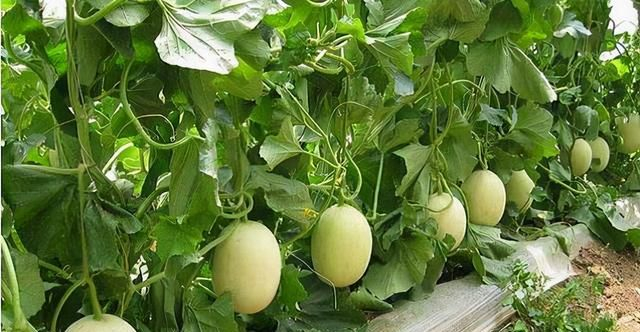
Vegetables are familiar with soil alkalinity and viscosity, and each vegetable guacamole has different requirements for soil, and the cultivation of melons has to consider soil first and foremost, although less demanding, but still tends to do so。
Since melons like sand and cannot be too acidic or too alkaline, they need to grow plots based on soil characteristics, and deviations from normal values can be artificially regulated。
Soils are an important factor in the growth of melons, which are not suitable to lead directly to the growth of melons, sandy soils are generally suitable for planting pre-cooked melon varieties, while clay-like soils are suitable for the planting of late melons。
Because of the demands of melons for high temperatures and soil, the main areas of cultivation in the country are in xinjiang and hainan, where the melons produced are of good quality, and where the sweetness and fragrance of the consequences are fresh in memory。
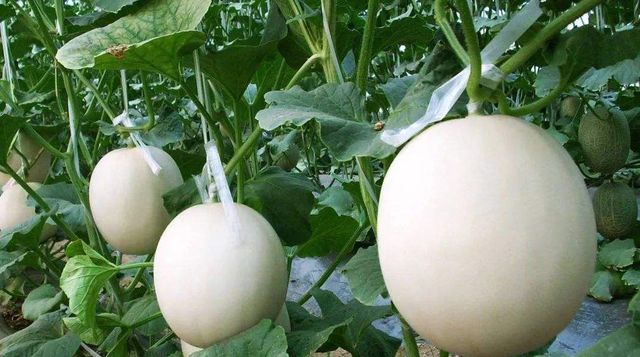
Ii. Technological mastery of the melon shed
In recent years, there has also been an increase in the number of users who grow melons in large sheds. It may be summarized in five points, with a focus on the main planting points and the management of the mid-term and later stages, which are closely linked。
1. Choice of varieties
The choice of good varieties is half complete, the heat is different from one region to another, the choice of disease-resistant and high-yielding varieties, and melons do not like cold weather。
It is therefore important to consider the anti-frozen nature of the varieties, which can be referred to and used by new families, and the variety often chosen by the old farmers in the huts must have their own advantages and combine their farming experience to the best。
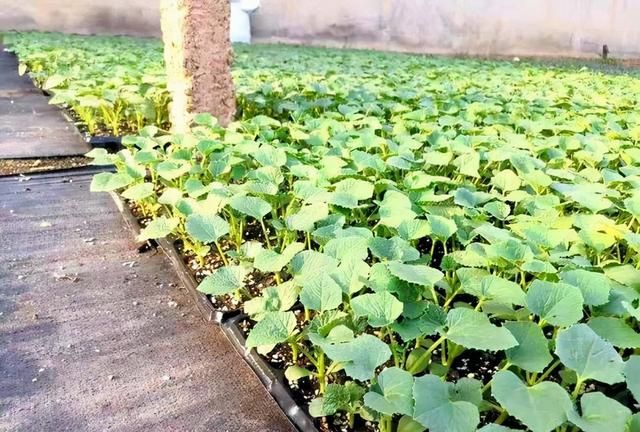
2. Cultivation
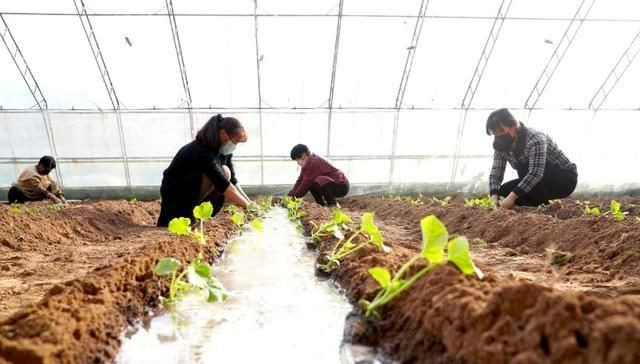
As with most of the melons, the seeds are impregnated, washed, sprouts, etc. Until the seedlings grow, and the melons are planted by digging。
The most important thing is the temperature control of the plant, with the most suitable surface temperature above 14 degrees. The melon is usually planted in mid-march, a period of early spring and not yet very hot。
So the first three days of the shed were free from ventilation after the melon seedlings were planted in the early spring shed. In this way, the temperature and humidity in the shed will be increased and the temperature in the shed will be increased three days later by artificially assisted until the seedlings grow fresh leaves at high temperatures。
Three, the vine
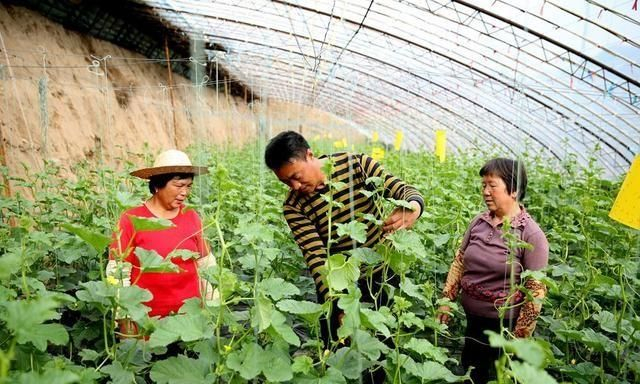
The melon is a typical reptile plant with a strong ability to climb. After the vine has grown, it is necessary to have an artificial support frame to enable the vine to climb and grow in an orderly manner, with a pole or wooden stick attached to each melon。
Wrap the vine around the bamboo poles and trim the extra vines so that each melon will grow in an orderly fashion, without disturbing each other because it is dense。
4. Fertilizer management
The management of fertilizer after melon cultivation has three stages, namely, the period during which melons are grown, the beginning of the outcome, the period during which fruit swells, and the period during which fertilisation is concentrated on high-quality organic and compound fertilizer, as well as some grass-wood ash。
In favour of root growth and outcomes, potassium sulphate and urea can be applied in the early stages of the growth of the fruit and, finally, some leaf flour can be applied during the booming period of the fruit。
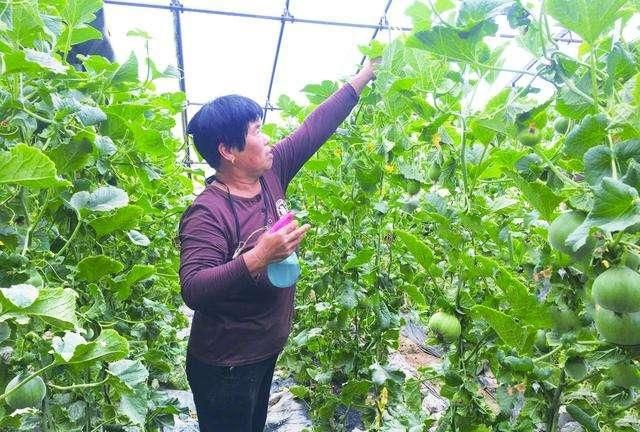
Leaf fertilizers can be applied to potassium dihydrohydrophosphate, or to white sugar + urea, and the pursuit of fertilization during periods of fruit expansion can promote the growth of fruit and improve the quality of individual fruit. High quality of production is dependent on the availability of fertilizers, and the pursuit of fertilizers varies from time to time, and must be clearly understood and studied in order to be accurately controlled in terms of fertilizer and quantity。
No more water is required for the planting of large-scale melons, which are properly replenished according to their growth and soil conditions, usually without water during the sapling season, with as little or as little as possible during the chicken season, and with hard water during the booming period。
5. Pest management
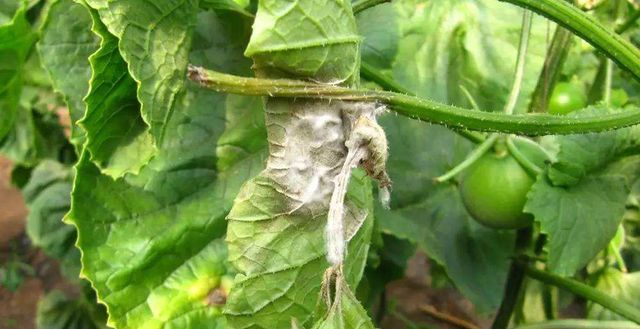
In the management of each fruit, pest control is not available, and melons are more vulnerable to diseases such as froste, pollinosis, fungi, horny, anthrax and disease。
When pests and insects are detected, drug use can be treated in a timely manner on the basis of pathogen, and drug spraying prevention can also be carried out before flowering or after the results, and drug prevention is not appropriate for the very young。
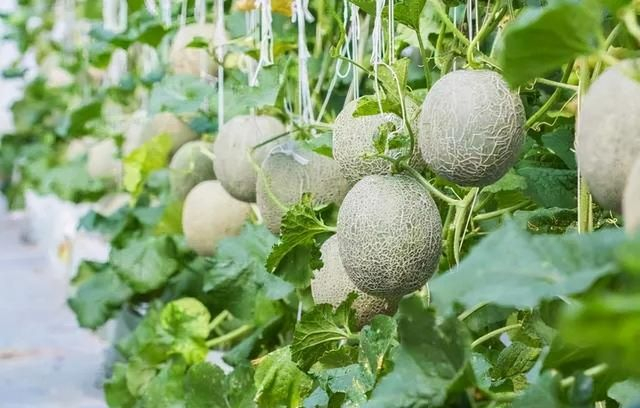
If you also want to plant large-scale melons, or if you've already started growing them in spring, then learn and understand their variety and the environment。
Improved learning, mastering the skills and management of large sheds can also be learned from some old farmers and prepared to grow sweet and sweet melons。