


The period of primary schooling is a critical period for the rapid development of human behaviour, character and intelligence. At this stage, the relatively rapid physical and mental changes, coupled with insufficient cultural knowledge and social experience, make primary school pupils vulnerable to unhealthy psychological problems or mental illness。
I. Standards for the sustainable health of children
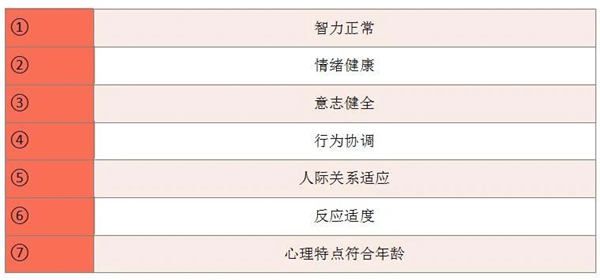
There are many standards for the mental health of the human being, but there is no uniform measure. Based on the characteristics of the psychological activity of our children, they must have the following seven mental qualities。
Ii. Common mental health problems and performance of pupils
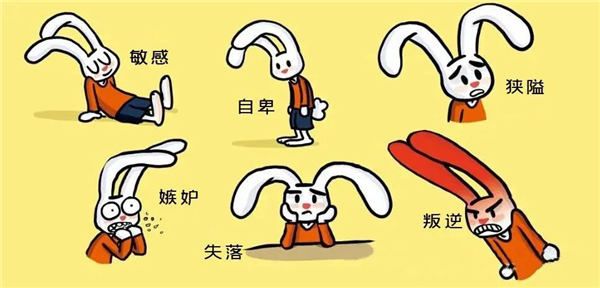
1. The narrow:
That is to say, the heart is too narrow to allow people to understand others, and it's too big for small things, and it's too big for the horns。
Jealousy:
When others are better than themselves, they show unnaturalness, discomfort and even hostility, and even worse they use blows and bruises to vent their envy。
Sensitive:
In other words, he is sensitive and suspicious, and he often treats unconnected and unconnected actions as contempt or mockery of himself, and for this heatedness changes greatly。
Losses:
Students in primary schools have many illusions that they want to make it a reality, that they will make every effort, or even deliberate pursuit, and that when such needs continue to be unmet or partially met, there is a sense of failure。
5. Subjugation:
Lack of confidence in themselves and the belief that they are inferior in every aspect of their lives, whether in their studies or in their lives, seriously affect their feelings。
Rebels:
Primary school pupils are in a transition period of growth, with a growing sense of independence and self-awareness, and are eager to move away from adult guardianship. At the same time, it is easy to be critical of anything in order to express itself differently。
Iii. Analysis of the causes of mental health problems in primary schools
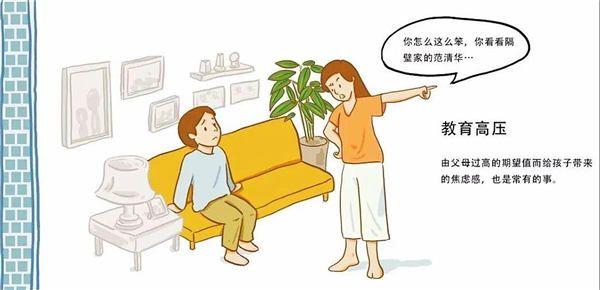
High pressure on education: it is also common for children to experience anxiety caused by high expectations of their parents。
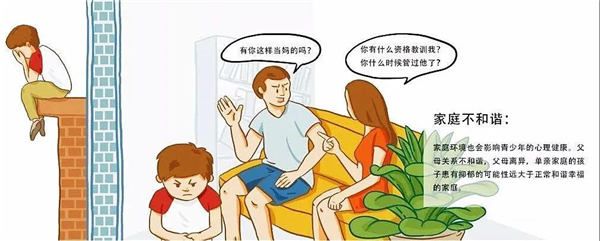
2. Disharmony in the family: the family environment also affects the mental health of adolescents. Parental relations are not harmonious, parents are divorced and children of single-parent families are far more likely to suffer from depression than normal and harmonious families。
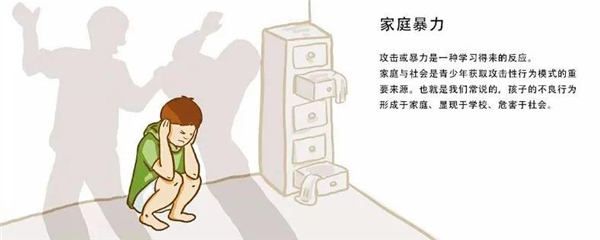
3. Domestic violence: assault or violence is a learning response. The family and society are important sources of aggressive behaviour patterns for adolescents. That's what we used to say
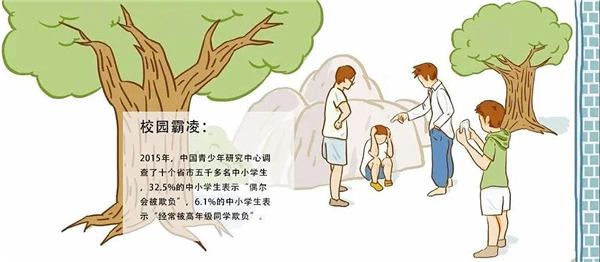
4 school bullying: in 2015, the china youth and research centre surveyed 325 per cent of the more than 5,000 primary and secondary school students in 10 provinces and cities who said that they were “frequently bullied” and 6. 1 per cent of primary and secondary school students said that they were “often bullied by senior students”
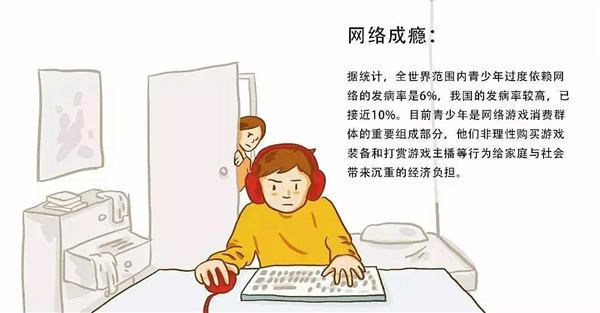
Internet addiction: the incidence of over-dependence on the network among adolescents worldwide is 6 per cent and is higher in the country, which is close to 10 per cent. At present, young people are an important part of the consumer community of online games, and their irrational purchase of games equipment and the reward of game hosts impose a heavy financial burden on families and society。
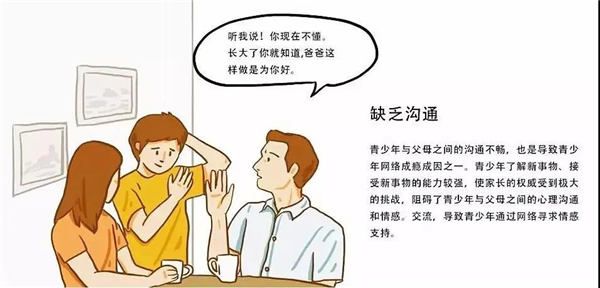
Lack of communication: poor communication between adolescents and parents is also a contributing factor to youth network addiction. The ability of adolescents to understand and accept new things is a major challenge to parental authority and hinders psychological communication and emotional relations between adolescents and parents. Communication leads young people to seek emotional support through the network。
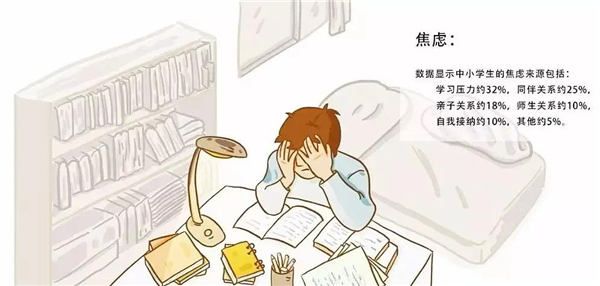
7. Anxieties: the data indicate that the sources of anxiety for primary and secondary school students include approximately 32 per cent of learning stress, 25 per cent of peer relationships, 18 per cent of parent-child relationships, 10 per cent of teacher-student relationships and 5 per cent of others。
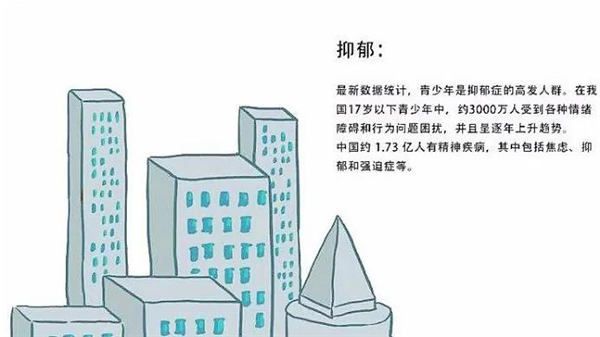
Depression: according to the latest data, adolescents are among the high-prevalence groups. Some 30 million of our young people under the age of 17 suffer from various emotional disorders and behavioural problems, which are on the rise every year. Some 173 million people in china suffer from mental illness, including anxiety, depression and intense pursuit
Iv. The mental health education strategy for primary school children
1. Maintenance of harmonious conjugal relations
Good conjugal relations allow children to learn better about their parents ' advantages, to feel a stable and safe family environment and to increase their confidence in the problems they face. Harmonious relationships between parents also have a positive impact on the child's ability to establish his/her own personal relationships and contribute to the improvement of the child's future happiness index。
Listen to the child
The family should be the place where the child speaks in the heart. Parents often talk to the child, leave more opportunities to speak to the child, so that the child can open his or her heart, express himself or herself, and not be judged. In particular, fathers must have a useful exchange of ideas with their children and should not be left out of child growth by busy working. When children speak, parents listen to the best and sweetest。
Tolerance and restraint are important
Parents should treat their children equally, while at the same time giving them the necessary restraint. Excessive tolerance leads to indoctrination and excessive rigour undermines filiation. The happy character of the child is not born out of a reprimand, there is no contradiction between the tolerance of the child and the misbehaviour of restraining the child, and the foundation of the child's happiness begins with encouragement and praise。
4. Ways to encourage praise
The self-esteem of adolescents is often strong, and if parents exaggerate their children simply because they achieve good results, they make them feel that good results are good, and good results are often not entirely controlled by the efforts of the children, which makes them more vulnerable. If parents see the child's efforts and praise him for doing things, they tend to give the child more incentive to continue working hard。
5. Reaching out to nature and social life
Family education encourages children to reach out to nature and society. After school, the child is allowed to spread his/her mind and mind in an open space, and the rest day is given to the child to tan in the blue sky and grass and to be close to nature. To encourage children to participate in activities of public interest, to develop their behaviour and love in the service of others, to experience different school roles, family roles, social roles, to experience the diversity of life and to contribute to the development of the child's integrity。
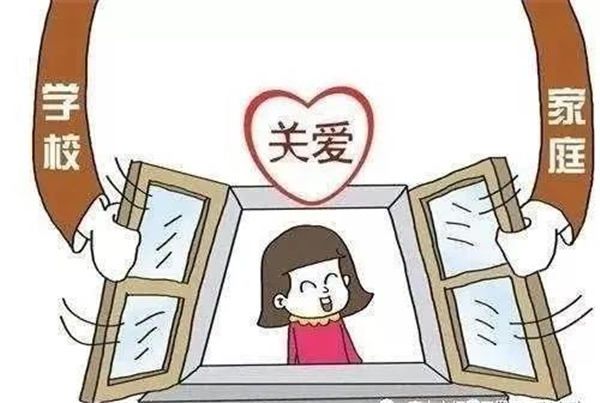
The well-being and harmony of society, the safety and inclusion of schools, the comfort and support of the family and the sound personality and physical basis of adolescents can contribute significantly to the mental health of adolescents. Parents and friends, let's join hands and focus on the child's mental health based on the child's future



