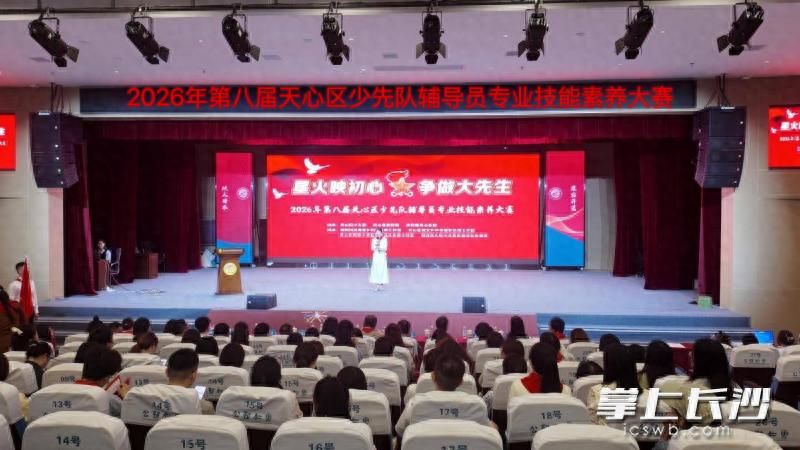
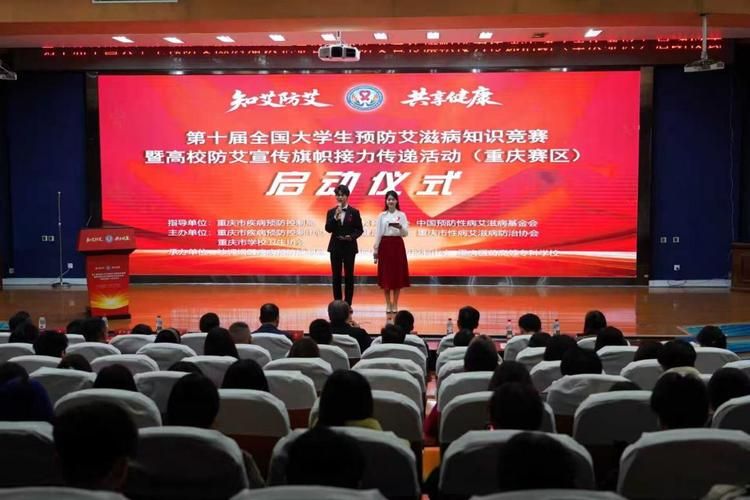
On 1 december 2015, the 28th world aids day, the theme of this year's event was “action for zero aids”. Subtitled “partnership against aids, shared responsibility and shared future”. In order to further increase the level of information and education on hiv/aids throughout the city, to raise public awareness and to promote comprehensive efforts to combat the disease, the knowledge of hiv/aids has become more visible and effective. The shuyang city people's government's working committee on aids and the yangyang city health and family planning committee jointly organized an event entitled “the prize-winning knowledge contest on aids in the yang city”。
In order to improve the general audience's knowledge of hiv/aids prevention and treatment, the motivation of participating in competitions and the correctness of the responses to the questions. The sponsors have provided a reference to the highlights of aids health literacy。
The competition's questions and flashcards were published on the a12 edition of the evening newspaper, published on 21 november 2015, and you were kindly invited to participate。
Elements of aids health literacy
1. Aids is a serious pandemic that is devastating and has a high rate of death and is preventable. There are no effective vaccines and cures, but there are better treatments that can prolong life and improve the quality of life。
Aids medicine, called acquired immune deficiency syndrome (aids), is a serious infectious disease caused by the hiv virus, known as the human immunodeficiency virus (hiv) in its entirety。
When hiv enters the human body, it destroys human immune functions, leaving the human body vulnerable to multiple infections and tumours, leading to death。
The virus is less resilient to the outside environment and, after leaving the human body, can survive for hours to days at constant temperatures, can be completely neutralized by 100°c 20 minutes, and can be eliminated by drying and commonly used disinfectants。
The blood, semen, vaginal secretions, milk and wound seepage fluids of people living with hiv and patients contain a large amount of hiv and are highly contagious。
It is only after 2-12 weeks of hiv infection that an hiv antibody is detected in the blood of the human body, but before it is detected, the infected person becomes contagious。
People living with hiv tend to develop into aids patients after a period of seven to 10 years of incubation. They are identical to normal people before the onset of the disease and can live and work without symptoms for many years, but can transmit the virus to others。
When the immune system of people living with hiv is severely damaged and cannot sustain the lowest levels of resistance, the infected develop into aids patients, often with long-term, unexplained hypothermia, weight loss, sweat theft, chronic diarrhoea, cough and rash symptoms。
Although existing anti-viral drugs and treatments do not cure aids, the implementation of standard anti-viral treatment can effectively curb the replication of the virus, reduce the risk of transmission, slow the onset of the disease, prolong life and improve the quality of life。
Antiviral treatment of aids patients is provided under the guidance of doctors trained in aids prevention。
In order for aids patients to insist on regularizing their medications, problems in treatment should be addressed in a timely manner by seeking the help of medical personnel, and the arbitrary or irregular and non-quantified use of antiretroviral drugs can lead to hiv resistance, reduced treatment effectiveness and even failure。
To date, no effective vaccine against aids has been developed。
Aids is transmitted through sexual contact, blood and mother-to-child transmission. People living with hiv or living with hiv are not infected in daily life and at work. Worldwide, sexual contact is the most important mode of transmission of aids. The sharing of intravenous drug use with syringes in our country is currently the main mode of transmission of aids, but the rate of transmission of aids through sexual contact is increasing every year。
Aids can spread between men and women and men through sexual intercourse. The more sexual partners, the greater the risk of contracting aids。
The use of intravenous drugs with syringes is an important and dangerous act of blood transmission of aids。
The introduction of hiv-contaminated blood or blood products and the use of unsanitary procedures, injections, acupunctures, tooth extractions, beauty protection etc. Into the human body can spread aids。

Women infected with hiv are likely to transmit aids to the foetus or to the infant through pregnancy, childbirth and breastfeeding. In the absence of preventive measures, about one third of the foetuses and infants are infected。
In daily life and work, people living with hiv/aids are not infected with aids by shaking hands, hugging, politely kissing, eating together and sharing labour tools, office supplies, coins, etc。
Aids is not transmitted through public facilities such as toilet circles, telephone machines, catering equipment, bedrooms, swimming pools or baths。
Coughing and sneezing do not spread aids。
Mosquito bites are not contagious with aids。
3. Clean love and observance of sexual morality are fundamental measures to prevent sexually transmitted infections of aids and sexually transmitted diseases。
The development of healthy relationships, marriage, family and sexuality is the cure for the prevention and control of the spread of hiv/aids and sexually transmitted diseases。
Sexually free lifestyles, multisex sex with no protection can significantly increase the risk of infection and transmission of aids and sexually transmitted diseases。
Prostitution and prostitution are important and dangerous behaviours for the spread of hiv/aids and sexually transmitted diseases。
Early sexual activity among young people has a negative impact on physical and mental health。
Spousal loyalty protects both spouses from sexually transmitted infections and sexually transmitted diseases。
The proper use of quality condoms (condoms) and the early treatment and cure of sexually transmitted diseases can significantly reduce the risk of infection and transmission of aids and sexually transmitted diseases。
Condoms can significantly reduce the risk of contracting hiv/aids and sexually transmitted diseases, and should be used throughout sexual intercourse。
While the effect of condoms on hiv/aids and sexually transmitted diseases is not 100 per cent, it is far safer than not using them。
Apart from the correct use of condoms, no other contraception can prevent aids or sexually transmitted diseases。
Due to biological differences, men are significantly more at risk of transmitting aids to women than to men. Women should take the initiative to use a female condom or ask the other party to use a condom during sexual intercourse。
Condoms cannot be reused and should be broken and discarded each time they are used。
People who are sexually ill or suffering from genital sepsis, ulcer, inflammation are more vulnerable to hiv infection and transmission to others. Early detection, regulation and treatment of sexually transmitted diseases and various genital infections reduce the risk of infection and transmission。
If you suspect that you have a sexually transmitted disease, you must be examined, treated in a timely manner and treated as soon as possible。
Some women suffer from sexually transmitted diseases with no visible symptoms and are not easily detectable, and high-risk behaviours such as multiple sexual partners are regularly examined and treated in hospitals。
Formal hospitals provide regulated and confidential std counselling, testing, diagnosis and treatment. Access to treatment and autonomy for the purchase of medicines by travellers can lead to misdiagnostic treatment, prolonged illness, increased treatment difficulties and increased vulnerability to aids。
5. The use of intravenous injecting devices is a high-risk act of infection and transmission of aids, rejecting drugs and cherishing life。
Drug abuse is an offence that seriously endangers not only the health and lives of drug users, but also the family and society。
The risk of contracting aids is particularly high with injecting drug use。
The lack of sharing of syringes, the use of clean syringes or strictly sterile syringes can effectively reduce the risk of drug use and transmission of aids。
Sexual intercourse with people who inject drugs does not use condoms and is vulnerable to hiv/aids and sexually transmitted diseases。
Methadone substitution therapy or needle exchange among injecting drug users can cut off the transmission of hiv through injecting drug use。
Avoid unnecessary injections, blood transfusions and use of blood products. When necessary, qualified blood or blood products tested as anti-hiv antibodies are used, as well as disposable syringes or strictly sterile devices。
The promotion of free blood donations, the elimination of the sale of blood by traffickers and the strengthening of blood management and testing are important measures to ensure the safety of blood。
Rigorous screening of blood donors and discouragement of blood donations by people with dangerous behaviour are important guarantees of blood safety。
Rigorous anti-hiv tests of blood and blood products are carried out to prevent the transmission of aids by means of blood obtained。
(d) avoid unnecessary injections, blood transfusions and use of blood products, and, where necessary, the use of blood and blood products tested, as well as plasma substitutes or their own blood。
The use of one-off or self-destructing syringes is an important part of preventing the transmission of hiv through blood. In the absence of conditions, injection equipment must be one needle per person, one tube per person and one disinfection per person。
Swords, needles and other instruments used in the services of hotels, hotels, bathhouses, hairdressers, beauty salons, foot washrooms, etc., must be strictly disinfected。
7. Preventive measures such as timely anti-viral interventions for hiv-infected pregnant women, reduction of harmful practices at birth and avoidance of breastfeeding can significantly reduce the likelihood of foetal and infant infections。
In areas with a high incidence of aids, maternal maternal health care, hiv counselling and testing and in-patient delivery are key interventions to prevent mother-to-child transmission。
Prevention of transmission, such as the use of anti-viral drugs during pregnancy and childbirth, the reduction of harmful risk during hospital deliveries and the avoidance of breastfeeding after childbirth, by pregnant women infected with hiv, under the guidance of a doctor, can significantly reduce the chances of hiv transmission to the foetus or to the baby。
Pregnant women who detect hiv infection in the early stages of pregnancy should be consulted by a doctor, fully aware of the potential hazards of aids on their babies, infants and themselves, and choose voluntarily whether or not to remain pregnant。
If a pregnant woman with hiv chooses to terminate her pregnancy, she should seek counselling and termination services from local health institutions。
If a pregnant woman who is infected with hiv chooses to continue her pregnancy, she should go to a local hospital or mother-and-child health-care facility with an hiv treatment mandate and seek free anti-viral and infant testing services to prevent mother-to-child transmission。
Mothers living with hiv should be given infant feeding counselling, artificial feeding of their babies, avoiding breastfeeding and mixed feeding. Free anti-hiv tests are also conducted in the 12th and 18th months of the baby。
Voluntary hiv counselling and testing are important interventions for the early detection of infected and ill persons。

Women who have had high-risk sex, shared injecting drug use, blood sales, suspected of having received unsafe blood transfusions or injections, and pregnant women in areas with a high incidence of aids are offered counselling at the local vct clinic。
Voluntary hiv testing is provided free of charge. Voluntary hiv counselling and testing are provided free of charge at disease prevention and control centres and at medical institutions designated by the health administration。
Aids counselling rooms and screening laboratories can be established at all levels of disease prevention and control centres and at legal medical institutions approved by the health administration。
Counselling and testing are confidential. With informed consent, individuals may choose voluntarily whether to undergo an hiv test。
People who are hiv-positive are provided with counselling and assistance in the testing, treatment, prevention of mother-to-child transmission, prevention of infection and care。
Access to aids counselling and testing can remove or alleviate the psychological stress associated with suspected hiv infection. It can also provide information about their physical condition and timely and appropriate measures to protect themselves and others。
9. Care, assistance and non-discrimination against people living with and affected by hiv and encouraging their participation in the fight against aids are important measures to control the spread of aids. People infected with and affected by hiv are victims of disease and deserve humanitarian sympathy and assistance。
Discrimination against people living with and affected by hiv not only discourages the prevention and control of aids, but also contributes to social instability。
People living with aids in rural areas and urban areas who are not covered by the health insurance system, such as the basic health insurance system, can receive free antiretroviral treatment at an infectious disease hospital designated by the local health administration or a general hospital with an infectious disease district (section)。
Governments at all levels have included people living with hiv in difficult circumstances in government assistance, provided the necessary life assistance in accordance with the relevant national provisions, and actively supported productive activities for people living with hiv。
Local governments are required to provide psychological rehabilitation for aids orphans and to provide free and compulsory education through various means. Free hiv counselling, screening and antiretroviral treatment for pregnant women to reduce mother-to-child transmission
People infected with and affected by hiv are an important force in preventing and controlling aids, and their involvement in the fight against aids should be encouraged。
Families and communities need to create a friendly, understanding, healthy living and working environment for people living with and affected by hiv, helping them to adopt the right attitudes to life, changing high-risk behaviour and creating conditions for their participation in the aids response。
10. Aids threatens every human being and every family, affects the development and stability of societies, whose responsibility is to prevent it。
Our epidemic has entered a period of rapid growth and is at a critical point of spread from high-risk populations to the general population. Failure to exercise timely and effective control will have serious implications for our economic development, social stability, national security and national prosperity。
The basic strategies for the prevention and control of aids in our country are prevention, prevention, integration and integrated management。
The fight against aids is by no means the responsibility of the health sector alone, but it is essential to establish a government-led, multisectoral and socially participatory aids prevention and control mechanism to create a social environment conducive to the fight against aids。
Non-governmental organizations are an important component of aids prevention and control and can play an important role in the sensitization of key populations, intervention of high-risk groups, and care for infected and sick people。
Citizens should be actively involved in information and awareness-raising for the prevention and control of aids, learn and acquire basic knowledge about the prevention of aids, avoid dangerous behaviour, strengthen self-protection and inform them of the knowledge they have learned。
It is the shared responsibility of every family, every school, every community and society at large to educate adolescents about the prevention of aids, sexually transmitted diseases and drug rejection, life skills training and adolescent sex education, and to protect adolescents from aids, sexually transmitted diseases and drugs。